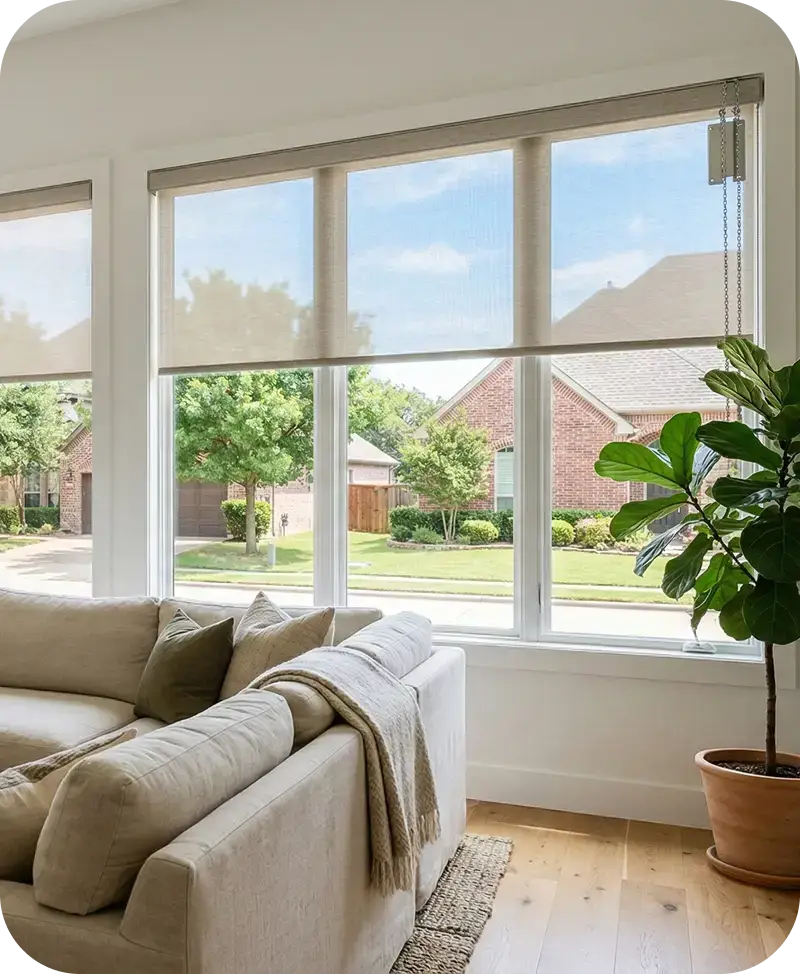
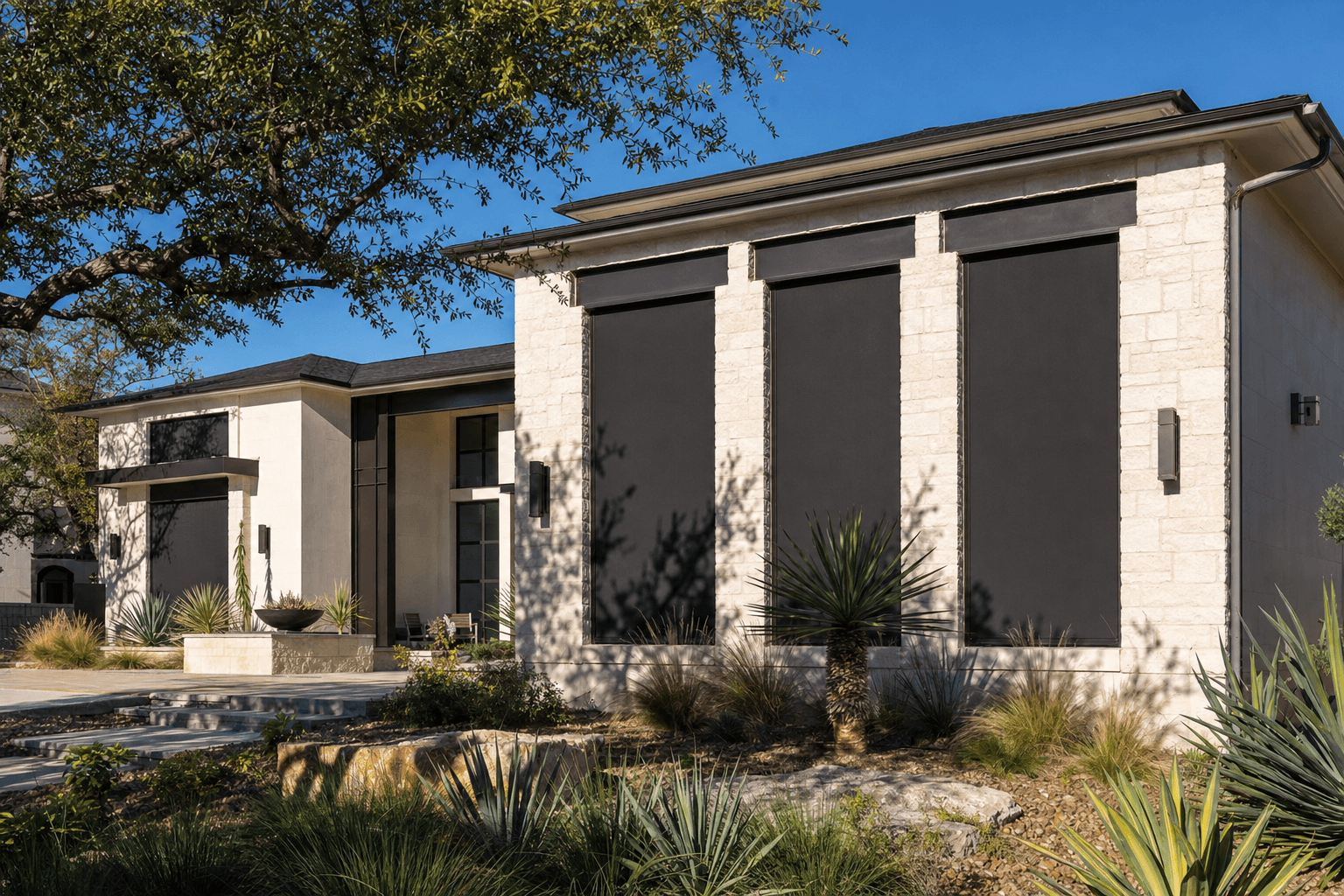
The short version: In a hot climate, block the sun before it reaches the glass. The U.S. Department of Energy notes that about 76% of the sunlight hitting a standard double-pane window becomes heat. Exterior solar screens and awnings, cellular shades, and white-backed draperies cut the largest share of that summer heat gain.
In North Texas, the window is where summer comfort is won or lost. Glass that bakes in direct sun turns into a radiator, and your air conditioner spends the afternoon fighting it. The good news: the right window treatments measurably reduce that heat, and the best ones do it before the sun ever gets inside. Here is what works and why.
How much heat actually comes through your windows?
More than most people realize. According to the U.S. Department of Energy, about 76% of the sunlight that falls on a standard double-pane window enters as heat. That is the load your cooling system has to remove. Reduce how much of that sunlight turns into interior heat, and you reduce both your indoor temperature swings and your cooling bill.
Which window treatments block the most heat?
Not all treatments are equal. The Department of Energy’s own figures show a wide range depending on the type and where it sits relative to the glass:
| Treatment | How it helps | Reported effect on heat gain |
|---|---|---|
| Exterior awnings | Shade the glass from above, outside the window | Reduce solar heat gain up to 65% on south-facing and 77% on west-facing windows |
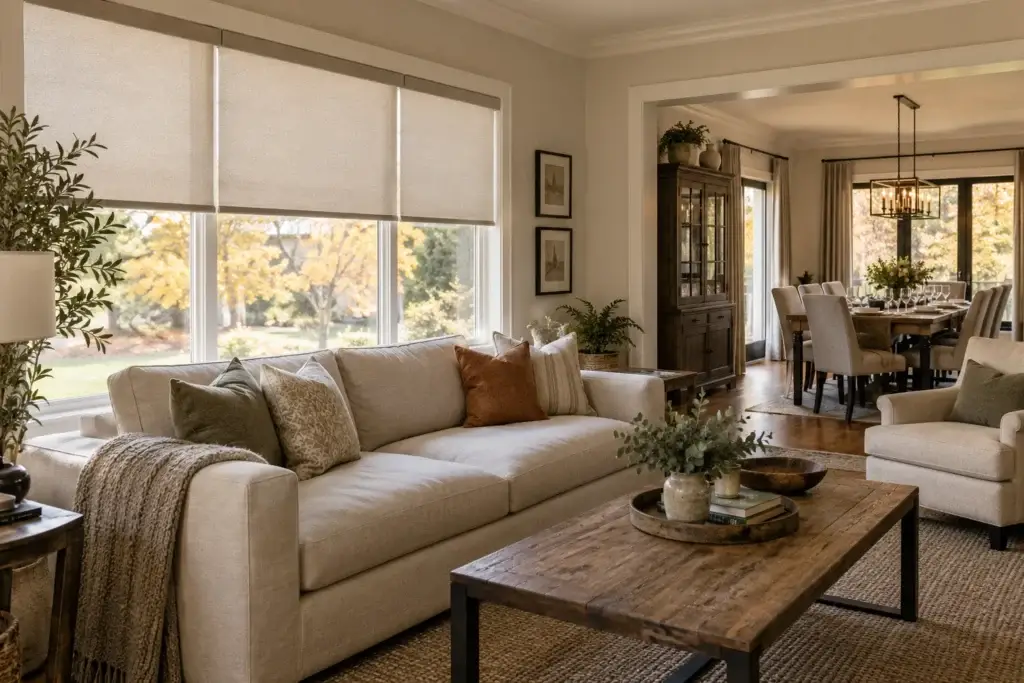
| Cellular (honeycomb) shades | Trapped-air cells insulate the window opening | Can reduce solar heat gain by up to 60% |
| Light-colored draperies | Reflect sunlight away from the glass | Medium-colored draperies with a white plastic backing can cut heat gain by about 33% |
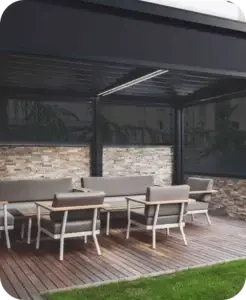
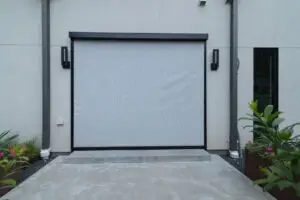
| Exterior solar screens / shades | Stop sun before it reaches the glass | Far more effective at blocking heat than interior treatments (see below) |
The pattern is clear: the closer a treatment sits to stopping sunlight outside the glass, the more heat it keeps out.
Interior vs. exterior: where shading works hardest
This is the single most important idea for a hot climate. Once sunlight passes through the glass, much of its heat is already inside, and an interior shade can only do so much. Research summarized by the Department of Energy’s Building America Solution Center, drawing on Pacific Northwest National Laboratory analysis, found that exterior shading dramatically outperforms interior shading at controlling heat. In one study of a home without air conditioning during an extreme heat wave, exterior shades cut the time indoor conditions reached dangerous heat levels by roughly 55%, compared with about 18 to 23% for interior shades.
That is why our exterior shades are such a strong choice for west- and south-facing glass here. The same research points to meaningful cooling savings, on the order of 15 to 25%, from well-chosen and well-operated shading. Inside the house, cellular interior shades remain the most efficient interior option thanks to their insulating air pockets.
What the ratings mean: U-Factor and SHGC
When you compare energy-rated window treatments, two numbers matter, both from the Attachments Energy Rating Council (AERC):
- SHGC (Solar Heat Gain Coefficient). How much solar heat the treatment lets through. In a hot climate, lower is better, because you want to block summer sun.
- U-Factor. How well the treatment insulates against heat flow. Lower is better, and it matters most on our occasional cold nights.
AERC labels also carry a climate rating. For Dallas, look for products that perform well on the warm-climate (cooling) scale. A low SHGC is the number to prioritize here. Treatments that also protect interiors from fading are a bonus; if sun damage is a concern, see our UV-blocking shade ideas.
In a hot climate, the order of priority is simple: shade outside the glass first, insulate at the glass second, and reflect what is left third.
Putting it together for a Texas home
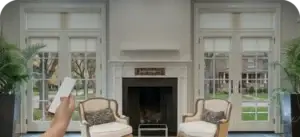
For the hardest-hit west and south windows, start with exterior shades or screens. For everyday interior comfort, cellular shades give you the best insulation, and light-colored or white-backed draperies add a reflective layer. Motorizing the worst windows so they close automatically during peak afternoon sun turns all of this from a good idea into an automatic habit.
Want a room-by-room plan built around your home’s exposure? Request a quote and we will recommend the right mix for comfort and energy savings.
Sources
- U.S. Department of Energy, Energy Saver, “Energy Efficient Window Coverings” (heat-gain, cellular, and drapery figures) and “Energy Efficient Window Attachments” (awnings). energy.gov
- Building America Solution Center, Pacific Northwest National Laboratory, window shading and heat-gain research. basc.pnnl.gov
- Attachments Energy Rating Council (AERC), window attachment energy ratings (U-Factor and SHGC). aercnet.org