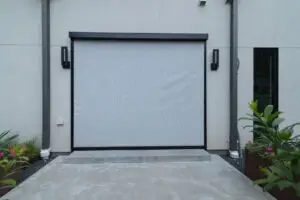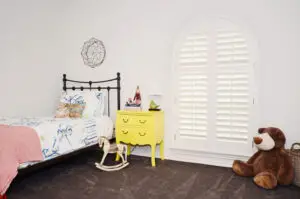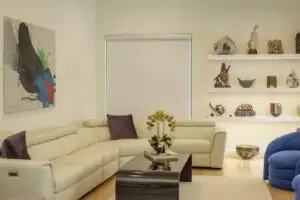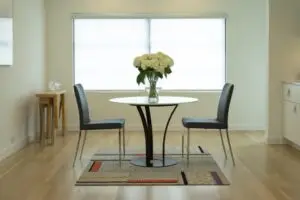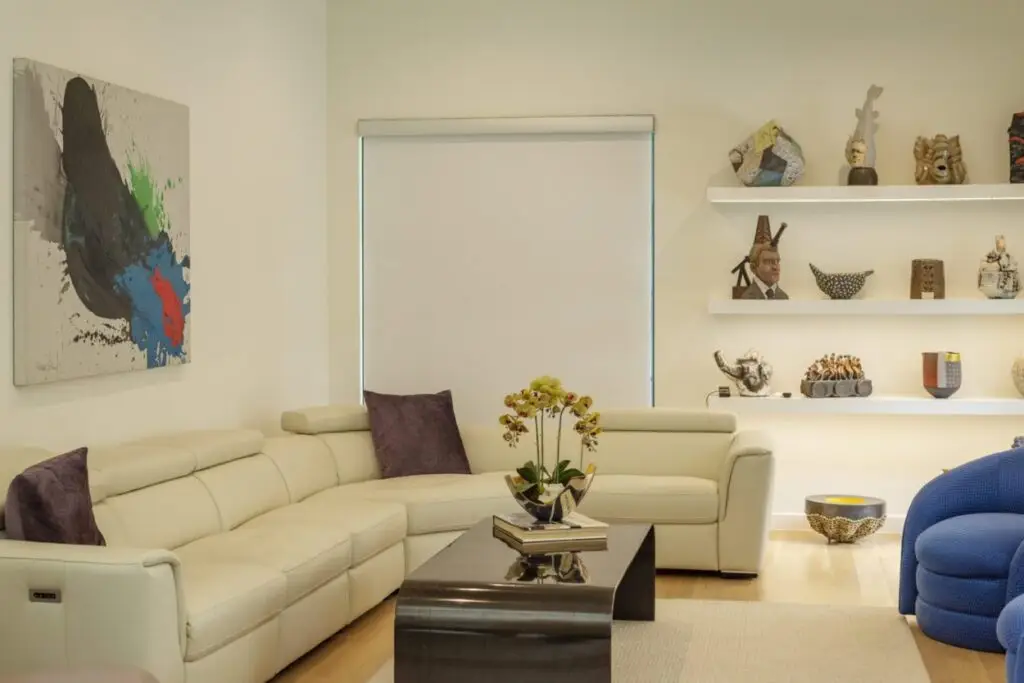
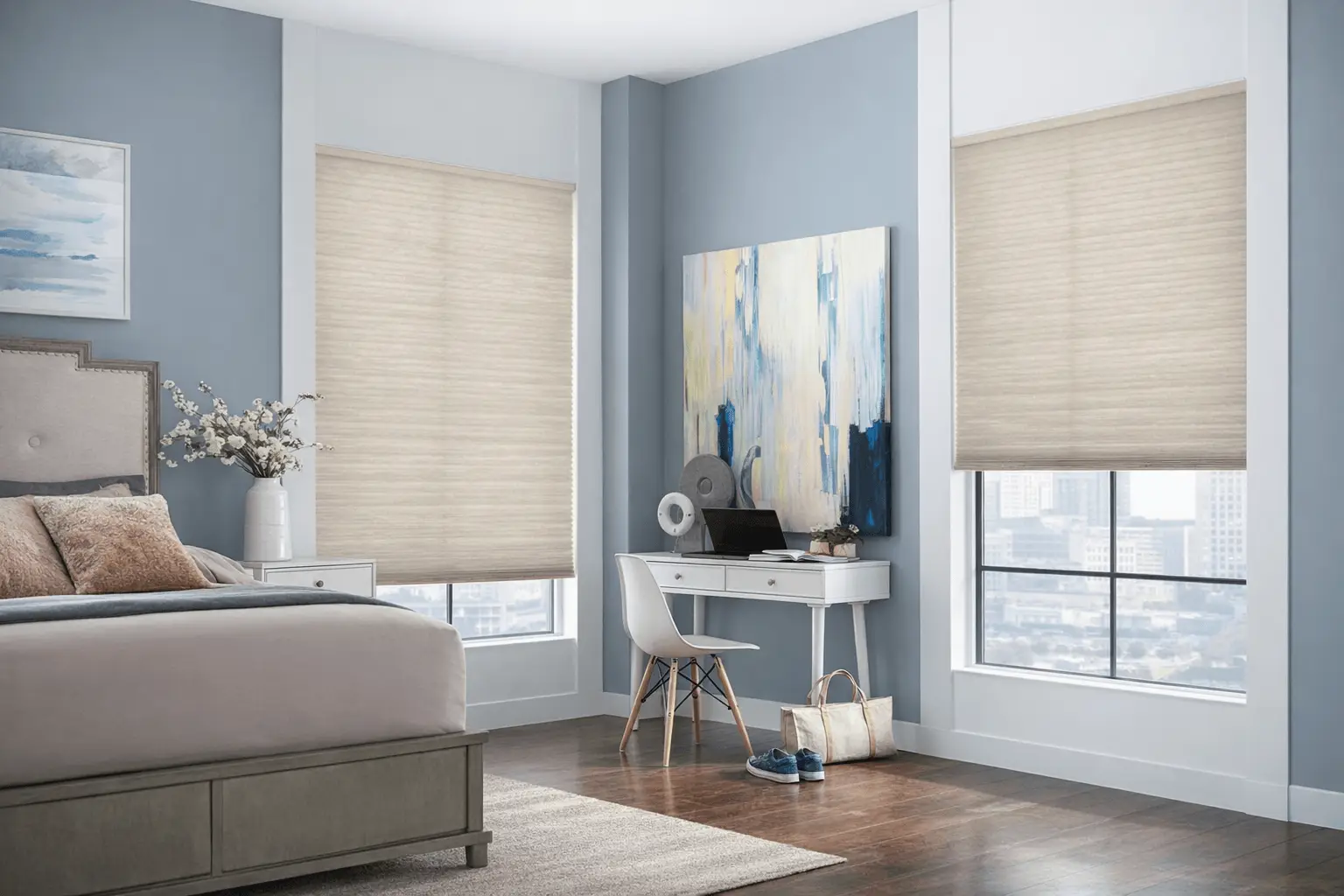
To block neighbors’ view, focus on window coverings that control sightlines as well as light. Plantation shutters can be angled to block direct views while still letting daylight in, and roller shades can cover the full window when you need stronger privacy. In one survey of 1,000 Americans, 65% said they have hidden from their neighbors, which shows how common privacy concerns are in everyday life.
Most homeowners are not trying to live in darkness. They want daytime privacy without losing natural light, and they want nighttime privacy when indoor lighting can make a room feel exposed. They also worry about specific situations, like street-facing windows, second-story sightlines, patio seating that feels too open, and small gaps at the sides that still allow a clear view inside.
This guide covers 13 practical ways to block neighbors’ view with shutters and shades, with simple explanations of when each option works best and what to consider for different rooms and outdoor areas.
Blocking neighbors’ view is not only about covering glass. It is about controlling sightlines while still getting the light you want. The best window treatments let you choose privacy by time of day: filtered daylight during the day, and full coverage at night when interior lighting makes rooms more visible from outside.
Most homeowners do not want to live in darkness. They want privacy in street-facing rooms, bathrooms, and bedrooms, and they want patio seating to feel comfortable without building permanent walls. In a survey of more than 1,000 Americans, 65% said they have hidden from their neighbors at least once, which shows how common privacy concerns are.
In this guide, you will get 13 proven ways to block neighbors’ view using shutters, shades, and patio solutions. You will also get a fast chooser, room-by-room picks, and the most common mistakes that cause privacy gaps.”
Privacy Angle Map
Before you choose a product, identify the angle your neighbor is seeing. This prevents you from buying a great product that solves the wrong problem.
- Straight-on view (same level): Common with street-facing windows and close neighbors. Best solutions: plantation shutters, light-filtering roller shades, solar shades, and layered treatments.
- Down-angle view (neighbor is higher): Common when a neighboring home looks down into your rooms or patio. Best solutions: top-down/bottom-up shades, shutters with tilted louvers, and exterior patio screens.
- Up-angle view (you are higher): Common with second-story windows looking down into your home. Best solutions: top-down privacy, light-filtering, and strategic partial coverage.
- Side-angle view (patio problem): The most common outdoor issue. Best solutions: motorized patio shades, outdoor curtains, and fixed or movable privacy screens.
If you tell us the room and the angle, we can recommend a setup that protects privacy without blocking your preferred daylight.
Pick the Best Privacy Option in 60 Seconds
Use this quick chooser to match the right shutters or shades to your privacy problem. Start with location, then decide how much light and view you want to keep, and finish with control type.
Step 1: Where do you need privacy?
- Windows inside the home: Focus on plantation shutters, roller shades, or layered treatments.
- Patio or porch openings: Focus on exterior patio shades or aluminum patio shutters.
- Both areas: Choose one option for interior windows and one option for outdoor openings.
Step 2: What kind of privacy do you need most?
- Daytime privacy with natural light: Choose plantation shutters with adjustable louvers, top-down style shades, or light-filtering roller shades.
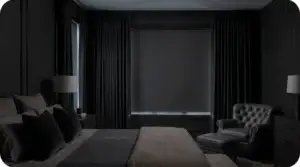
- Nighttime privacy with full coverage: Choose room darkening roller shades, privacy liners, or shutters that close tightly.
Step 3: Do you want to keep your view?
- Yes: Choose adjustable louvers or light-filtering shades that reduce visibility without blocking daylight.
- No: Choose full coverage shades or a layered setup that closes completely.
Step 4: How do you want to control it?
- Manual: Works well for a few standard windows you use every day.
- Motorized: Works well for tall windows, hard to reach glass, and patio openings where you want reliable privacy at set times.
For a faster decision, request a free quote and tell us which rooms feel most exposed. We will recommend shutter and shade options based on your privacy and light goals.
13 Ways to Block Out Neighbors View (Quick Picks)
Use these shutters, shades, drapes, and patio screens to block neighbors’ view indoors and outdoors. Choose light-filtering options for daytime privacy and full coverage options for stronger night privacy.
- Highprofile Plantation Shutters: Adjustable louvers block direct views while you keep natural light and airflow.
- Security Plantation Shutters: A sturdier shutter option for ground floor windows where privacy and peace of mind matter.
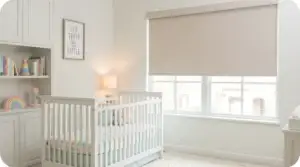
- Motorized Roller Shades: Clean, full window coverage that you can raise for the view and lower for privacy.
- Colourvue Drapes: A fabric layer that improves privacy and reduces side exposure at night.
- Motorized Roller Shades and Drapes: A paired setup that gives flexible daytime control and stronger nighttime coverage.
- Combo Drapes and Shades: A coordinated option when you want shade control and drape coverage in the same room.
- Top-Down Bottom-Up Shades: Cover the bottom for privacy and keep the top open for daylight.
- Combo Shutters: A quick way to compare shutter styles when you want adjustable privacy with a built-in look.
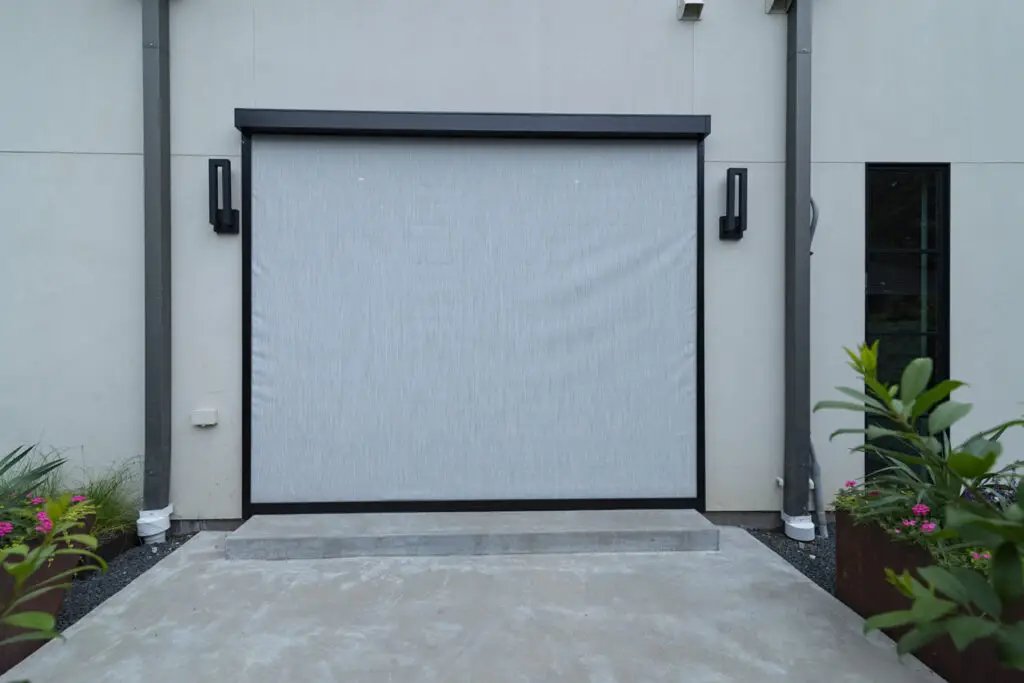
- Motorized Patio Shades: Outdoor screening that reduces side views into seating areas from close neighbors.
- Aluminum Patio Shutters: Outdoor shutters that let you control privacy, airflow, and light on exposed patios.
- Silhouette Sheer Shades: A sheer shade style designed for daytime privacy with soft, filtered light.
- Serena Shades: Smart motorized shades built for scheduled privacy and consistent daily use.
- Norman Louvered Shutters: Louvered shutters that adjust to block sightlines while keeping rooms bright.
Comparison of 13 Ways to Block Out Neighbors View
| PRODUCT | BEST FOR | DAY PRIVACY | NIGHT PRIVACY | CONTROL STYLE |
| Highprofile Plantation Shutters | Living rooms, street-facing windows | High | High | Manual louver control |
| Security Plantation Shutters | Ground floor windows | High | High | Manual louver control |
| Motorized Roller Shades | Large windows, bedrooms, offices | Medium to High | High | Motorized up and down |
| Colourvue Drapes | Bedrooms, bright night rooms | Medium | High | Manual or motorized track |
| Motorized Roller Shades and Drapes | Rooms needing flexible day and night privacy | High | High | Motorized paired layers |
| Combo Drapes and Shades | One room that needs both layers | High | High | Layered, varies by setup |
| Top-Down Bottom-Up Shades | Street-facing windows, bathrooms, kitchens | High | Medium to High | Manual or motorized |
| Combo Shutters | Whole home shutter comparisons | High | High | Manual louver control |
| Motorized Patio Shades | Patios and outdoor seating | High | High | Motorized up and down |
| Aluminum Patio Shutters | Exposed patios, wide openings | High | High | Panel and louver control |
| Silhouette Sheer Shades | Soft light with daytime privacy | Medium | Medium | Manual or motorized |
| Serena Shades | Scheduled privacy routines | Medium to High | High | Smart motorized control |
| Norman Louvered Shutters | Adjustable privacy with louvers | High | High | Manual louver control |
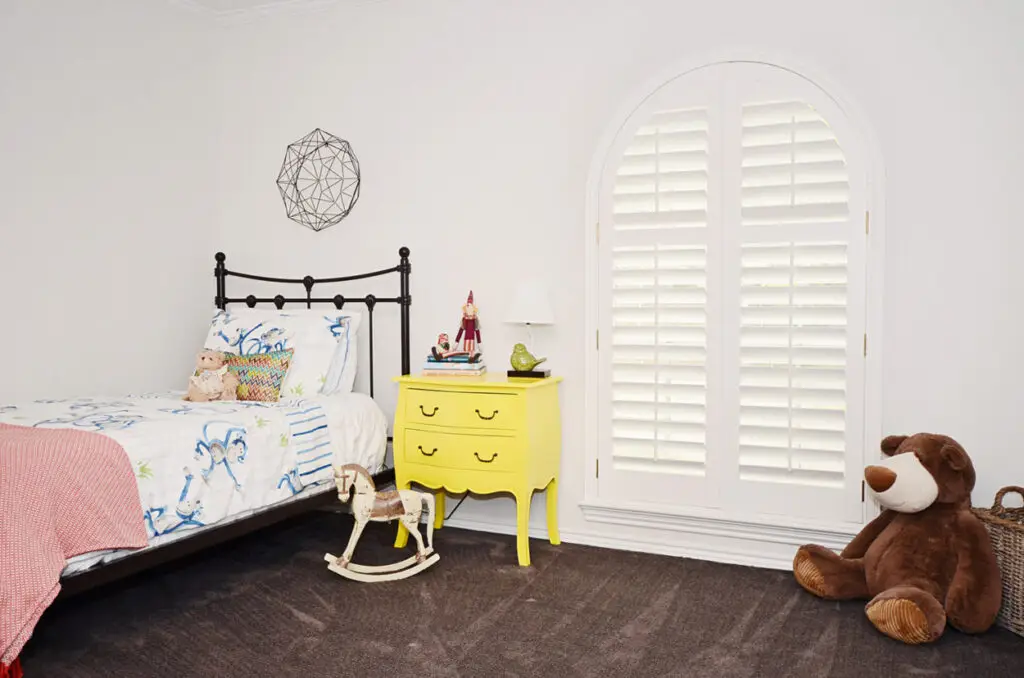
1. Highprofile Plantation Shutters
Plantation shutters are one of the cleanest ways to block neighbors’ view without closing off the room. You control privacy by changing the louver angle, not by covering the whole window. That gives you more flexibility throughout the day.
This option works well when you want privacy and a finished, built-in look. It also helps when you want daylight but do not want a clear line of sight from outside. You can adjust them in seconds as the sun and sightlines change.
Best for
street-facing living rooms, dining rooms, and front windows where you want privacy with daylight.
Why it works
Adjustable louvers block direct sightlines while still letting light and airflow move through the window area.
2. Security Plantation Shutters
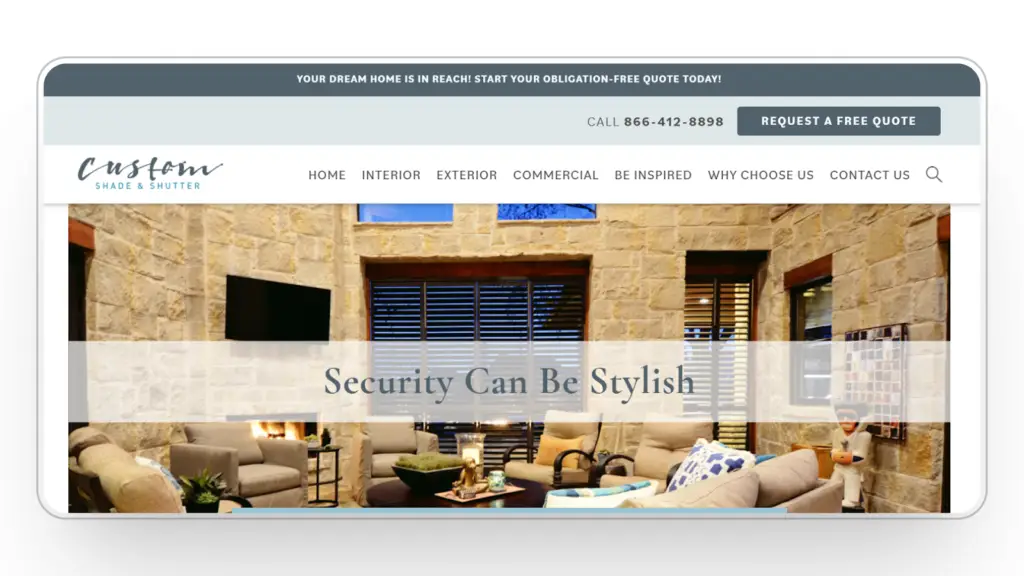
Security plantation shutters focus on privacy first, especially for ground-level windows. They give you the same louver control as a classic shutter, with a more security minded design. That makes them a strong fit for homes that feel exposed.
This is a practical choice when neighbors are close or foot traffic passes near your windows. You can keep the room comfortable and bright while limiting what people can see inside. You also keep a consistent look from room to room.
Best for
Ground floor windows, rentals, and any window that faces a walkway, driveway, or nearby home.
Why it works
They limit visibility with a shutter structure that stays stable and controlled, while louvers let you fine tune privacy and light.
3. Motorized Roller Shades
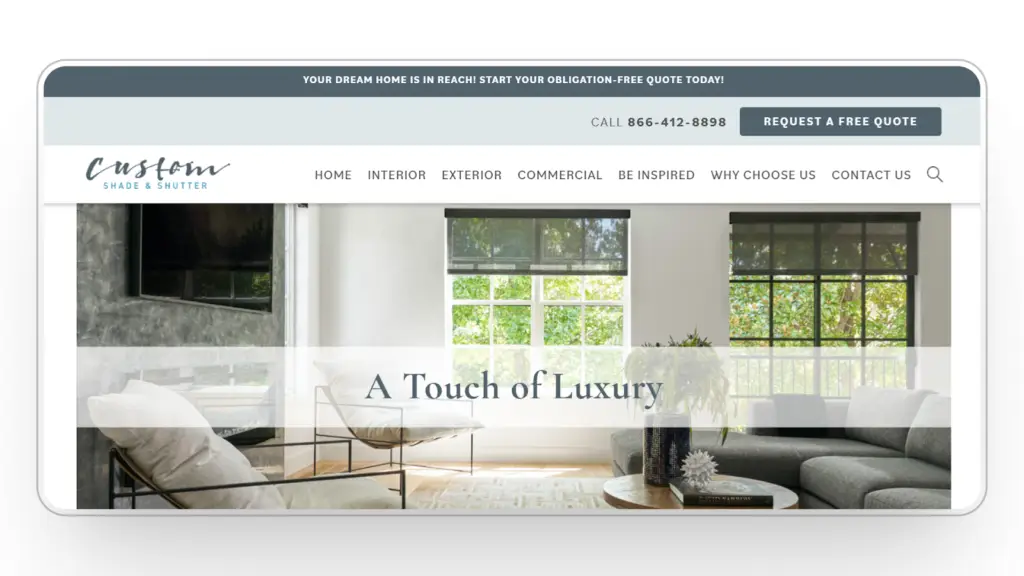
Motorized roller shades give you full window coverage with a simple, modern look. You raise them when you want the view and lower them when you want privacy. That makes them easy to live with in busy households.
This option is especially useful for large windows and hard to reach glass. You can control privacy consistently, even when the window is tall or wide. You also avoid fuss because the shade moves smoothly with a button or control.
Best for
Bedrooms, home offices, large windows, and any window you want to control quickly.
Why it works
A single shade panel covers the glass evenly, so you reduce direct sightlines as soon as the shade lowers.
4. Colourvue Drapes

Drapes add privacy in a way that feels warm and finished. They cover more than the glass, which helps when side exposure makes you feel visible. They also soften the room and can help control how open the space feels.
This choice works well for night privacy because it handles the problem of indoor lights. When the sun goes down, drapes help reduce visibility from outside. They also work well as a second layer with shades.
Best for
Bedrooms, living rooms, and any room where night privacy and side coverage matter.
Why it works
Fabric panels extend past the window edges, which helps reduce side gaps and limits what people can see in.
5. Motorized Roller Shades and Drapes
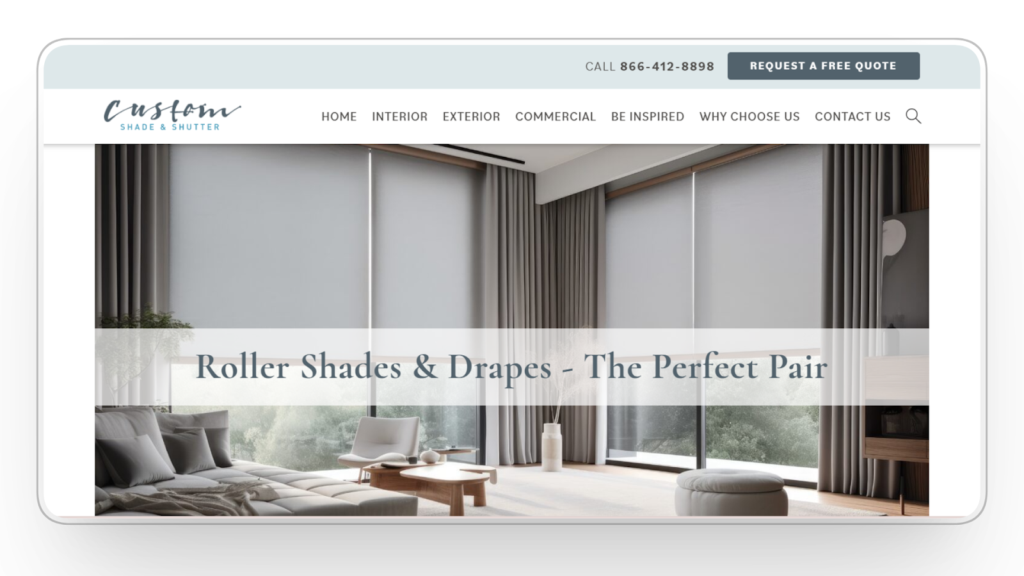
This paired setup gives you two tools in one plan. You can use shades for clean daytime control, then close drapes for stronger coverage later. It gives you flexibility without switching to a different style of treatment.
It also helps when your privacy needs change by room or by time of day. You can keep a bright look in the afternoon and still close fully at night. The motorized control makes the routine easier and more consistent.
Best for
Rooms that need both daylight control and stronger night privacy, such as front living areas and primary bedrooms.
Why it works
Two layers let you handle both sightlines and coverage, so you can adjust privacy without sacrificing comfort.
6. Combo Drapes and Shades
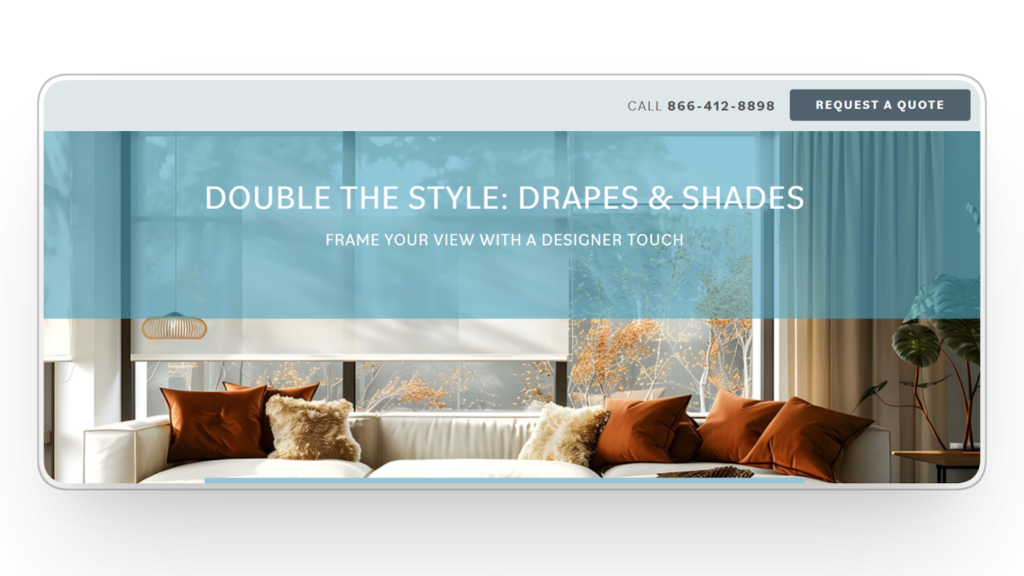
Combo drapes and shades help when one product does not solve the full privacy problem. Shades handle the glass and daily light control. Drapes add a second layer that improves coverage and room feel.
This option works well when you want a coordinated look across a room. It also helps when you want stronger privacy during the evening. You get more control without making the space feel closed all day.
Best for
Bedrooms, living rooms, and open plan spaces where you want flexible privacy and a finished look.
Why it works
Layering gives you more control over sightlines, side exposure, and how much light stays in the room.
7. Top-Down Bottom-Up Shades
Top-down bottom-up shades are one of the best answers for daytime privacy. You can cover the lower portion of the window to block direct sightlines while leaving the top open for natural light. This is ideal for street-facing rooms where you still want a bright, open feel.
These shades are also a smart fit for bathrooms, breakfast nooks, and any room where privacy matters most at eye level. You get flexibility without needing to angle louvers all day.
Best for
Street-facing rooms, bathrooms, breakfast nooks, and daytime privacy with natural light.
Why it works
It blocks the most common sightline (lower window area. while keeping daylight coming in from above.
8. Combo Shutters
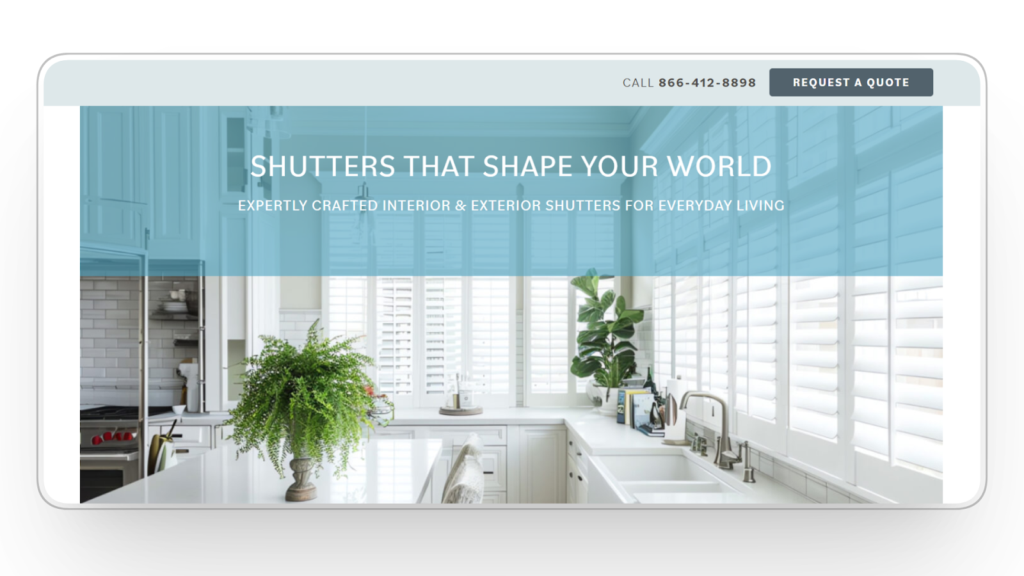
Combo shutters help you compare shutter options for different exposure levels. Some rooms need flexible louvers for daylight, while others need stronger privacy control. A shutter comparison path makes it easier to choose the right fit.
This is especially useful if you want a built-in look across multiple rooms. Shutters can look consistent while still serving different privacy needs. You can also match style to the most visible windows first.
Best for
Homeowners who want a consistent shutter look and need different privacy strength across rooms.
Why it works
Shutters give adjustable privacy through louver control and a solid frame that reduces direct sightlines.
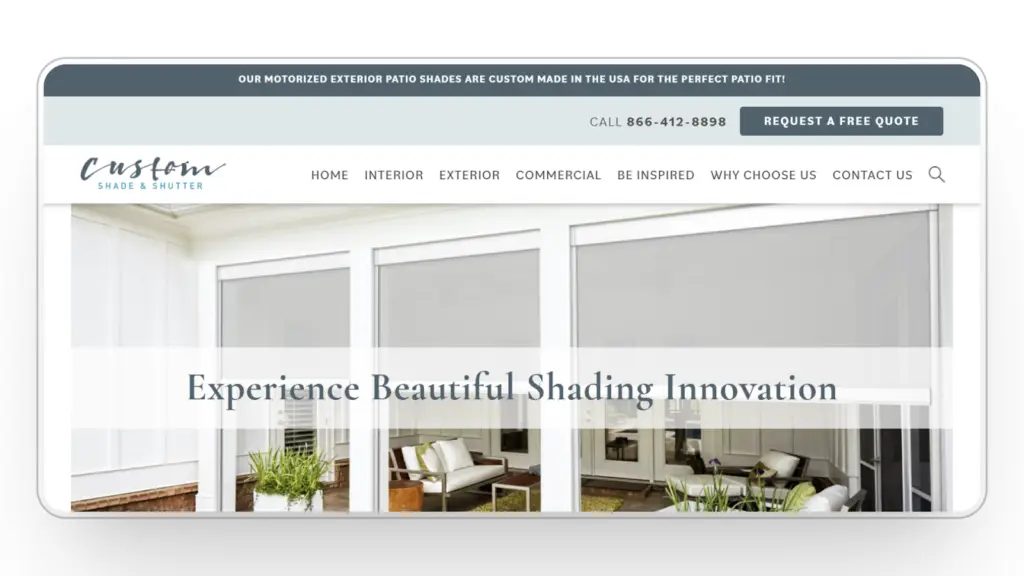
Patio privacy feels different than window privacy because views come from the side and from nearby yards. Motorized patio shades create a screen for outdoor seating so you feel more comfortable outside. You can lower them when neighbors are out and raise them when you want openness.
This option is a strong fit for patios that face other homes. It also helps when you want privacy without building permanent walls. You keep the outdoor space usable while reducing visibility into your seating area.
Best for
Patios, porches, and outdoor openings where neighbors can see into seating zones.
Why it works
A screen layer blocks sightlines from common angles, especially side views, while keeping the space functional.
10. Aluminum Patio Shutters
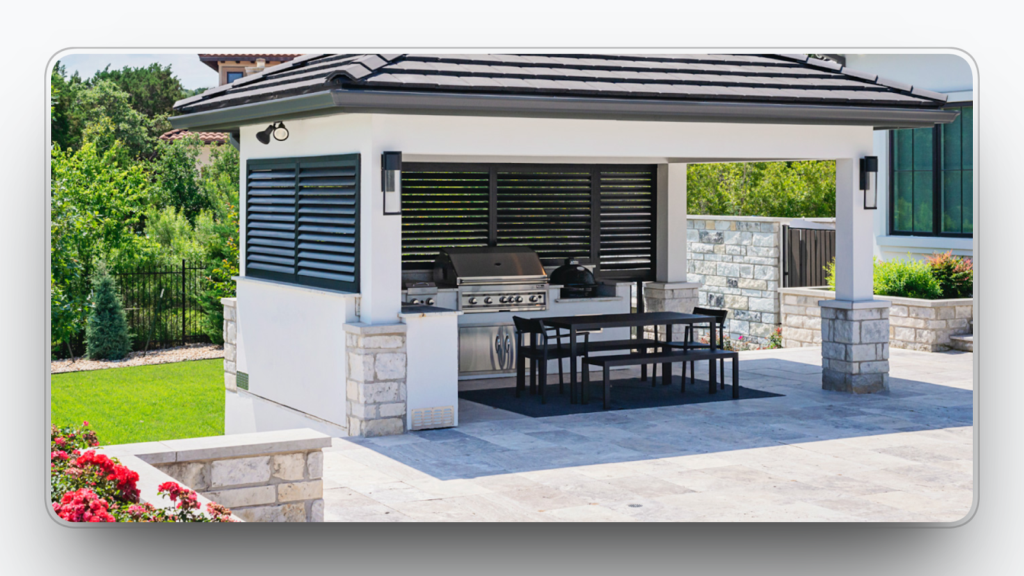
Aluminum patio shutters work well when you want a more structured outdoor privacy solution. They can create a stronger boundary than a fabric screen. That helps when your patio feels fully exposed or when multiple angles face nearby homes.
This option can also help with light and airflow control outdoors. You can adjust privacy depending on how you use the space. It is a practical solution for wide openings and outdoor living areas.
Best for
Exposed patios, wide openings, and outdoor areas where you want strong privacy control.
Why it works
Shutter panels and louvers help block sightlines and let you adjust light and airflow for comfort.
11. Silhouette Sheer Shades
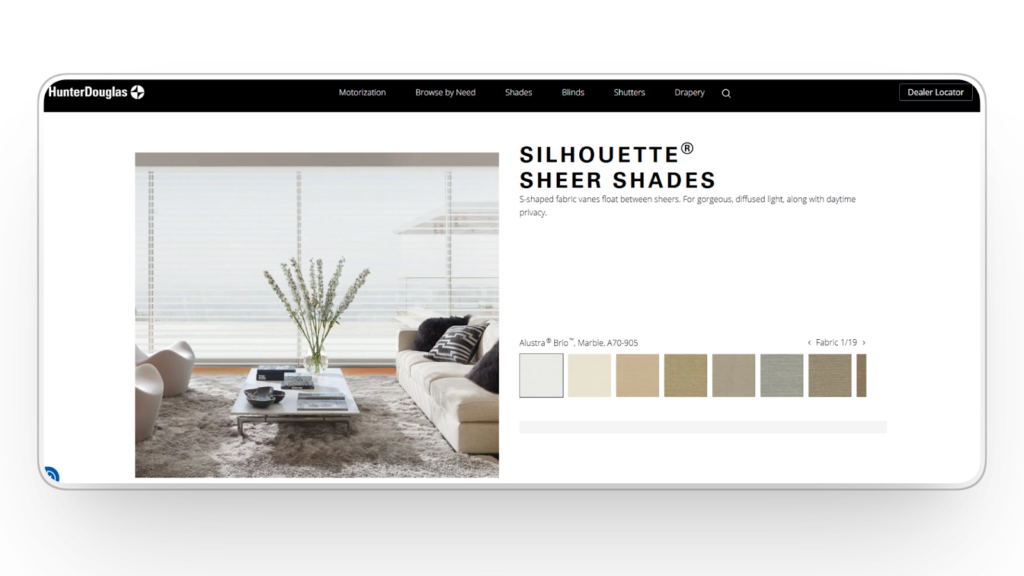
Sheer shades aim to balance privacy and soft light. They can reduce visibility during the day while keeping a brighter feel than heavier coverings. This makes them popular for rooms where you want privacy without a closed look.
This option works best when your main concern is daytime exposure. It helps reduce clear sightlines from outside in many situations. For stronger night privacy, many homeowners pair sheers with another layer.
Best for
Living areas where you want soft light and daytime privacy, especially on street-facing windows.
Why it works
Sheer materials filter light and reduce direct visibility, which helps limit clear views into the room during the day.
12. Serena Shades
Smart motorized shades help when privacy needs to happen on a schedule. They reduce the chance you forget to lower shades at the most exposed times. That can be useful for street-facing rooms and homes with large windows.
This option also supports consistent daily routines. You can set shades to lower in the evening and raise in the morning. It is a practical approach for households that value convenience and repeatable privacy control.
Best for
Homes that want scheduled privacy, tall windows, and a consistent routine without manual adjustments.
Why it works
Motorized control supports predictable privacy at set times, so windows stay covered when exposure is highest.
13. Norman Louvered Shutters
Louvered shutters are a classic option for privacy with light control. You can adjust louvers to block neighbors’ view while still keeping the room bright. That makes them a strong fit for everyday living areas.
This option is helpful when you want a built-in look and simple operation. Shutters can also create a consistent style across multiple rooms. They work well in spaces where you want privacy without relying on fabric layers.
Best for
Living rooms, dining rooms, and any window where you want adjustable privacy with a structured finish.
Why it works
Louver control blocks direct sightlines while still letting you manage daylight and room brightness.
What to Expect for Light Control and Visibility
- Shutter louvers can block neighbors’ view while keeping useful daylight.
- Roller shades cover the glass, and fabric choice changes visibility.
- Drapes extend past edges, helping reduce side exposure at night.
- Day privacy often needs filtering, but night privacy needs coverage.
- Close neighbors and side angles usually require stronger privacy control.
- Patio shades and patio shutters block sightlines into outdoor seating.
FAQs
Plantation shutters and full coverage roller shades are strong options because they limit direct sightlines into the room. The best choice depends on whether you need flexible daytime privacy or stronger night privacy.
Adjustable louvers and light-filtering shades can reduce visibility while keeping natural light. This works well for living rooms and kitchens where you want privacy without a dark room.
Room darkening shades and drapes usually perform better at night because they give fuller coverage when interior lights are on. Layering a shade with drapes can also improve side coverage.
Yes. You can angle shutter louvers or use light-filtering shades to reduce visibility while keeping some outdoor view. If you need full privacy, you will reduce the view more.
Yes. Patio shades can reduce side views into seating areas from nearby yards and patios. They work well when the exposure happens outdoors, not just at windows.
Shutters give adjustable privacy because you control louvers. Shades can give stronger full coverage when lowered, so many homes use shades for bedrooms and shutters for living areas.
Yes. Motorized control makes it easier to keep privacy consistent, especially on tall windows or patios. Scheduled control can help cover windows during the times you feel most exposed.
Start with where the problem is, indoor windows or outdoor openings. Then decide if you need light-filtering for daytime privacy or full coverage for night privacy, and choose manual or motorized control.