| Key takeaways: – If the opening is used as a doorway every day, choose a layout that keeps the walk path clear, usually a bi-fold track or a split stack. – For extra-wide spans, track systems support the panels and guide movement for smoother operation. – Plan the stack side around handles, locks, and furniture so panels do not block what you use most. – If you want the cleanest look across a window wall, align panel widths and choose a louver size that matches the scale of the glass. |
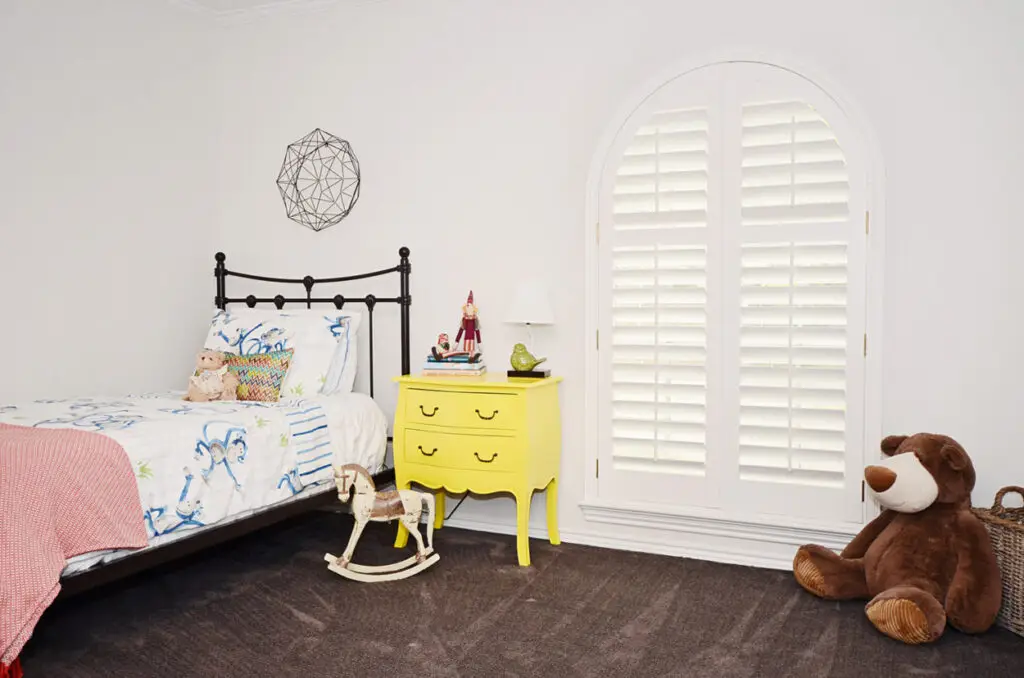
Foldable shutters, often called bi-fold shutters, are interior shutter panels connected by hinges so they fold into a neat stack at the side of a wide opening. You can keep the panels closed and tilt the louvers for glare control and privacy, or fold the panels back when you need full access.
If you are covering a big span, comfort and usability matter as much as style. The U.S. Department of Energy notes that heat gain and heat loss through windows account for about 25% to 30% of residential heating and cooling energy use, which is why the right window covering can make a noticeable comfort difference in rooms with lots of glass.
In this guide, you will learn 7 practical reasons foldable shutters work well for large openings, plus the layout decisions that protect door access, handle clearance, and clean sight lines.
What Counts as a Large Opening for Shutters
A large opening is any window or door span where standard hinged panels would become awkward to swing, block traffic, or feel unstable because of their size. In most homes, that means you need multiple panels and a configuration designed for wide spans, such as bi-fold (folding) panels, bypass sliding panels, or a tracked shutter system.
Common examples of large openings
- Sliding glass doors
- Patio doors and French doors
- Multi-panel window walls
- Wide picture windows with side windows
- Long runs of adjacent windows in an open-plan room
- Room divider openings in lofts or open spaces
How Foldable Shutters Work
Foldable shutters use two or more shutter panels connected with hinges, so the panels fold together and stack at the side when open. This setup covers wide openings while keeping the walkway clear and the door easy to use.
Simple steps
- Panels hinge together so they fold and stack as one group.
- Louvers tilt to manage light, glare, and privacy with panels closed.
- Panels fold back to clear the opening for walking through or full access.
- For wider spans, a track system supports panels and guides smooth movement.
Fold and slide layouts you will see
- Fold to the left
- Fold to the right
- Split stack, fold left and right
Track systems can be configured for any of these layouts, so the panels can park where access feels most natural for the room and the way you use the opening each day.
7 Reasons Foldable Shutters Work for Large Openings
Foldable shutters make wide openings easier to live with because the panels stack neatly instead of swinging deep into the room. They also keep the clean shutter look while giving you reliable control of light, privacy, and daily access.
- They reduce panel swing and save floor space
- They make daily door access easier
- They give strong light control without fully opening panels
- They improve privacy without making the room feel closed in
- They handle wide spans with flexible layouts and track options
- They create a clean, built-in look across large glass
- They can work as a room divider in open spaces
1. They reduce panel swing and save floor space
Large openings often force you to use wider panels, and wide panels can swing far into the room. Foldable shutters solve that by breaking the span into hinged sections that fold together. When open, the panels stack to the side in a smaller footprint, which helps keep furniture placement simple.
This matters most in living rooms and open-plan spaces where the opening sits near a sofa, table, or walkway. Instead of planning your layout around a large swinging panel, you can open the shutters and keep the traffic path clear. You also reduce the chance of panels bumping chairs or catching on nearby decor.
2. They make daily door access easier
Doors used every day need a window covering that does not slow you down. Foldable shutters let you open the louvers for light, or fold the panels back when you need full access. That makes them a practical option for patio doors and other high-traffic openings.
When the panels stack to one side, you can walk through without threading around a swinging panel. This is also helpful when you carry groceries, move furniture, or let pets in and out. The opening stays usable, and the shutters stay neat when parked.
3. They give strong light control without fully opening panels
Many large openings get intense sun at certain times of day, which can create glare on screens and fade furnishings. Foldable shutters help because you can fine-tune the louvers to redirect light while the panels remain closed. You can brighten the room without losing control of the sun.
This is useful when you want daylight but do not want harsh beams crossing the floor. You can tilt the louvers to soften the light, reduce glare, and keep the room comfortable. For wide openings, that consistent control across the full span can feel more balanced than partially opening drapes.
4. They improve privacy without making the room feel closed in
Wide glass can feel exposed at night, especially when interior lights are on. With foldable shutters, you can close the panels for privacy while still adjusting louvers for airflow and a softer look. You control sight lines without needing to block the entire window with heavy fabric.
During the day, angled louvers can limit direct views into the home while still letting light in. At night, fully closed panels create a strong privacy barrier across the whole opening. This flexibility is one of the main reasons homeowners choose shutters for large windows and doors.
5. They handle wide spans with flexible layouts and track options
Large openings rarely fit a one-size layout. Foldable shutters can be configured to stack left, stack right, or split in the middle so the panels park on both sides. That lets you plan the opening around how you use the door and where you have wall space.
For very wide spans, a track system can support the panels and guide them smoothly across the opening. This can improve stability and make large configurations easier to operate. It also helps when you want the panels to move along the span and park in a specific spot.
6. They create a clean, built-in look across large glass
Big openings can make some window coverings look busy or uneven, especially when you combine multiple panels or layers. Foldable shutters create a consistent look because the panels align across the opening and the louvers match from end to end. The result feels intentional and architectural.
This matters in open-plan rooms where the window wall becomes a major visual feature. A clean shutter layout can help the space feel more finished, without adding extra fabric folds or dangling cords. It is a simple way to keep the design calm and cohesive.
7. They can work as a room divider in open spaces
Open layouts are popular, but they can make it hard to create privacy for work, guests, or quiet time. Foldable shutters can act as a room divider when installed across an interior opening or passage. You can close panels when you need separation and fold them back when you want an open feel.
This can work well between a living area and dining area, or near a home office corner. When open, the panels stack neatly and stay out of the way. When closed, the louvers can still manage light and sight lines, which adds flexibility beyond a solid divider.
Tradeoffs to Know and How to Plan Around Them
Foldable shutters are an excellent solution, but the best results come from planning around a few realities:
- You will lose some view where the panels stack. To minimize it, stack on the least-used side or choose a split stack so the parked panels feel balanced.
- Very wide spans often need track support. A top track improves stability and guides movement, especially for door openings.
- Bottom guides can affect thresholds. Many systems use a small floor guide. Planning prevents trip points and avoids interference with door sweeps and rugs.
- Panel count impacts “how often you use it.” If you open the shutters multiple times daily, prioritize a layout that opens quickly and parks cleanly.
Foldable Shutters vs Other Options for Large Openings
| OPTION | LIGHT CONTROL | PRIVACY | SPACE IMPACT | BEST FOR |
| Foldable (bi-fold) shutters | High | High | Low | Patio doors, French doors, wide windows |
| Bypass sliding track shutters | High | High | Very low | Extra-wide spans where you want sliding movement |
| Vertical blinds | Medium | Medium | Very low | Budget-first sliding doors |
| Drapery | Medium to high | High | Medium | Soft design, bedrooms, layered looks |
Design Choices That Matter Before You Order
Before you order foldable shutters, plan the details that affect daily use, especially for door traffic and large spans. At Custom Shade and Shutter, we review these items during an in-home consultation in Dallas–Fort Worth, and we also support customers nationwide with remote design guidance and shipping.
Panel layout planning
Start by deciding where the panels should stack when they are open. A left stack, right stack, or split stack changes how much of the opening stays clear and how easy it feels to walk through. The best layout depends on your door traffic, furniture placement, and which side you open most often.
During a measure visit, we can map the stack position to the room so panels do not block a handle, a walkway, or a seating area. This also helps avoid a layout that looks fine on paper but feels awkward in real use.
Track type and floor clearance
Very wide openings often work best with a track system that supports the panels and guides smooth movement. Many designs use a top track with a small bottom guide, but the right setup depends on the opening type and how often you use it. The goal is smooth operation without creating a trip point at the threshold.
When we measure, we check door hardware, thresholds, and flooring so the track and guides sit where they will not interfere. This is also the time to confirm how the panels will park when open and how much clearance you need on each side.
Louver size for big glass
Louver size changes both the look and the function on a large opening. Larger louvers often match the scale of wide glass and can reduce the number of visible lines across the span. Smaller louvers can work well when you want a more traditional style and tighter light control.
We usually recommend choosing a louver size that fits the proportions of the opening and the room sight lines. That way the shutters look balanced from across the room and still give you the light control you want.
Material choice based on moisture and sun exposure
Material choice should match the space, not just the style. Humid areas like kitchens and bathrooms often need a moisture-resistant option. Rooms with strong sun exposure can also benefit from a more stable material choice for long-term performance.
During the consultation, we consider the room conditions and the opening type, then guide you toward a material that fits both. That keeps the shutters looking consistent and operating smoothly over time.
The Bottom Line
Foldable shutters are a smart solution for large openings because they deliver real light control and privacy while keeping door access practical. The best results come from choosing the right configuration, planning where panels park, and confirming track and clearance details before you order.
If you want help selecting the right layout, Custom Shade and Shutter offers expert design support with in-home consultations across Dallas–Fort Worth and nationwide service with shipping.
FAQs
Yes. Foldable panels stack to the side, so you can keep the opening clear for daily traffic. You can also tilt the louvers for light and privacy without opening the panels.
Not always. Smaller openings can use a hinged fold without a track, while wider spans may use a track system for smoother support and movement. A measure visit helps confirm the best setup for your opening.
Yes. They can cover wide glass and still let you access the door by folding the panels back to one side. The right stack direction depends on where you want the panels to park when open.
Yes. Many layouts allow a split stack so panels fold to both sides from the center. This can improve access when you open the door from either side.
They can reduce the view where the panels stack, but the rest of the opening stays clear. Choosing the correct stack side and panel layout helps minimize visual interruption.
Yes. Most cleaning is simple dusting, and you can wipe louvers with a slightly damp cloth when needed. A regular light clean helps prevent buildup on large openings.
Larger louvers often look more balanced on wide glass and reduce the number of visible lines. Smaller louvers can work if you want a tighter, more traditional look and finer light adjustment.
Ask where the panels will stack, how the layout will affect door access, and how handles and locks will clear. Also ask which layout fits your daily use so the shutters feel easy to operate.