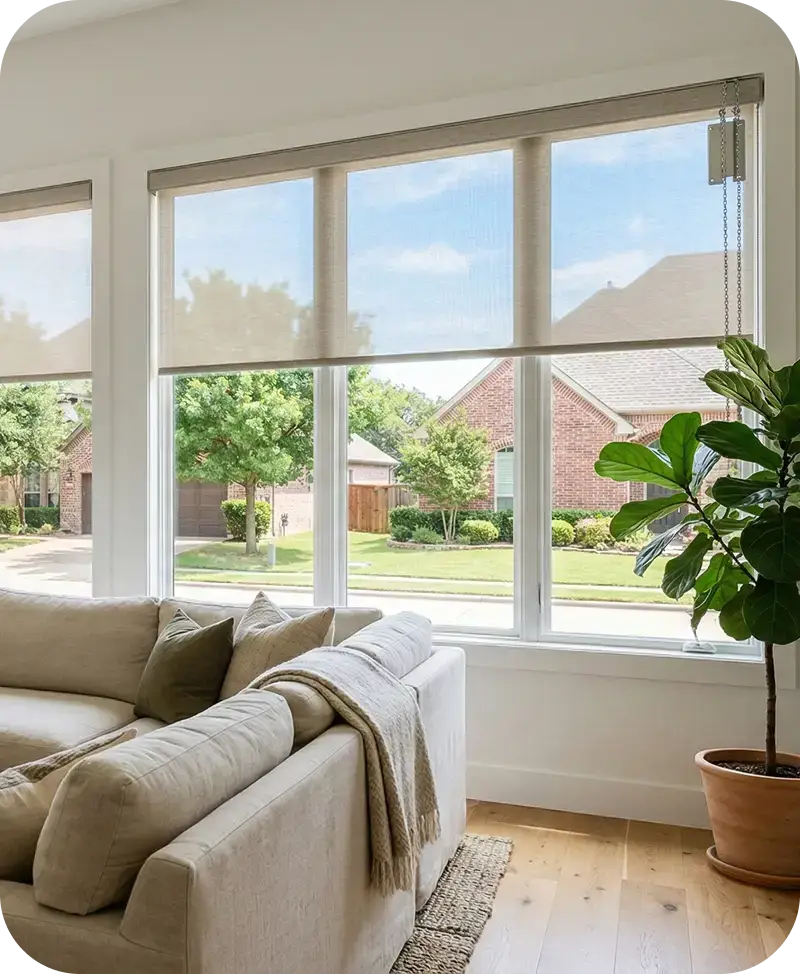
| Key Takeaways: Sliding doors need smooth operation, tight clearances, and smart stack-back planning.Solar and light-filtering fabrics keep daylight, but do not give true night privacy without the right opacity or layering.Exterior shading can reduce heat and glare before sunlight hits the glass.Layered setups can solve day glare and night privacy in one plan when you have enough space.Measuring handle projection and stack-back space prevents the most common mistakes. |
Window treatments for sliding glass doors are wide-panel coverings designed to open and close smoothly while controlling glare, privacy, and heat across a large glass surface. When a sliding door gets strong sun, the right treatment can make the room feel calmer, reduce screen glare, and limit heat buildup near the glass.
Sliding doors are high traffic, so the wrong treatment can catch on the handle, drag near the track, sway into the walkway, or stack too wide on one side. You also have to balance afternoon glare, heat buildup, night time privacy, fading, fingerprints, and durability if you have kids or pets using the door all day.
In this guide, we will cover 10 smart window treatment ideas for sliding glass doors and explain when each one makes sense for your space, whether you want an airy light filtering look, stronger privacy, or room darkening for better rest.
How to Choose the Right Window Treatment for a Sliding Glass Door
- Daily traffic: A main patio door needs smooth glide and durable materials. A rarely used door can prioritize style first.
- Handle and track clearance: Make sure nothing rubs the handle, lock, or track, and that fabric does not drag near the threshold.
- Stack-back space: Confirm how much clear wall you have for panels when open. Limited space often favors rollers or streamlined vertical systems.
- Light control goal: Choose light filtering for soft glare. Choose solar for glare reduction with view. Choose room darkening for sleep-focused spaces.
- Night privacy: If you want privacy after dark, choose tighter closures, privacy fabrics, or a layered setup.
- Heat exposure: West-facing doors usually need stronger solar control and tighter light gaps.
- Mount type: Inside mounts look clean but need enough depth. Outside mounts improve coverage and can reduce side light gaps.
- Operation: Motorization helps on wide spans and daily-use sliders because it keeps movement consistent.
- Kids, pets, and cleaning: High-traffic doors do best with wipeable materials or structured fabrics that resist snagging and fingerprints.
Top 10 Sliding Glass Door Window Treatments (Quick Picks)
Use this list to match the treatment to your sun exposure, privacy needs, and how often the door is used.
| Colourvue Control Motorized Roller Shades: Best for sleek interior glare control with minimal bulk near high traffic sliders. Colourvue Drapes: Best for a soft designer finish that stacks to the side and boosts night privacy. Colourvue Motorized Roller Shades & Drapes: Best for day to night flexibility with shades for daytime and drapes for full coverage. Highprofile Classic Plantation Shutters: Best for a timeless built-in look with strong privacy and light control indoors. Aluminum Security Shutters: Best for door-adjacent openings where lockable privacy and added security matter most. Weatherwell Elite Aluminum Patio Shutters: Best for exterior slider zones needing adjustable louvers for shade, airflow, and privacy. Shadesol Alfresco Motorized Patio Shades: Best for blocking sun before it hits the glass while keeping an open-air patio feel. Skyline Gliding Window Panels: Best for modern panel track coverage on extra-wide sliders with tight stack back. Graber Vertical Cellular Shades: Best for insulating comfort on patio doors when heat and cold transfer are the priority. Norman SmartDrape Shades: Best for a soft vertical look that keeps walk-through access and adjustable privacy. |
Comparison of 10 Best Window Treatments for Sliding Glass Doors
| OPTION | BEST FOR | PRIVACY CONTROL | LIGHT AND HEAT CONTROL | NOTES FOR SLIDING DOORS |
| Colourvue Control Motorized Roller Shades | Clean modern look and daily glare control | Medium to High | High | Slim profile, great when you want minimal stack and easy operation |
| Colourvue Drapes | Soft style and full coverage | High | Medium to High | Needs stack-back space, best when you want a designer finish |
| Colourvue Motorized Roller Shades & Drapes | Day to night flexibility | High | High | Shade for daytime, drapes for night privacy and a finished look |
| Highprofile Classic Plantation Shutters | Built-in interior look | High | Medium | Works best when slider layout allows wide opening configurations |
| Aluminum Security Shutters | Security and lockable privacy | Very High | Medium | Strong for door-adjacent glass and peace of mind applications |
| Weatherwell Elite Aluminum Patio Shutters | Outdoor privacy plus airflow | High | High | Adjustable louvers, great for patios near sliders and outdoor rooms |
| Shadesol Alfresco Motorized Patio Shades | Blocking sun before it hits the glass | Medium to High | Very High | Exterior shading reduces glare and heat while keeping outdoor flow |
| Skyline Gliding Window Panels | Modern wide-span coverage | Medium | Medium | Tight stack-back, great for extra-wide sliders in contemporary rooms |
| Graber Vertical Cellular Shades | Insulation comfort | Medium to High | High | Honeycomb-style efficiency in a slider friendly format |
| Norman SmartDrape Shades | Soft vertical style with walk-through | Medium to High | Medium to High | Walk-through friendly, good balance of privacy and light diffusion |
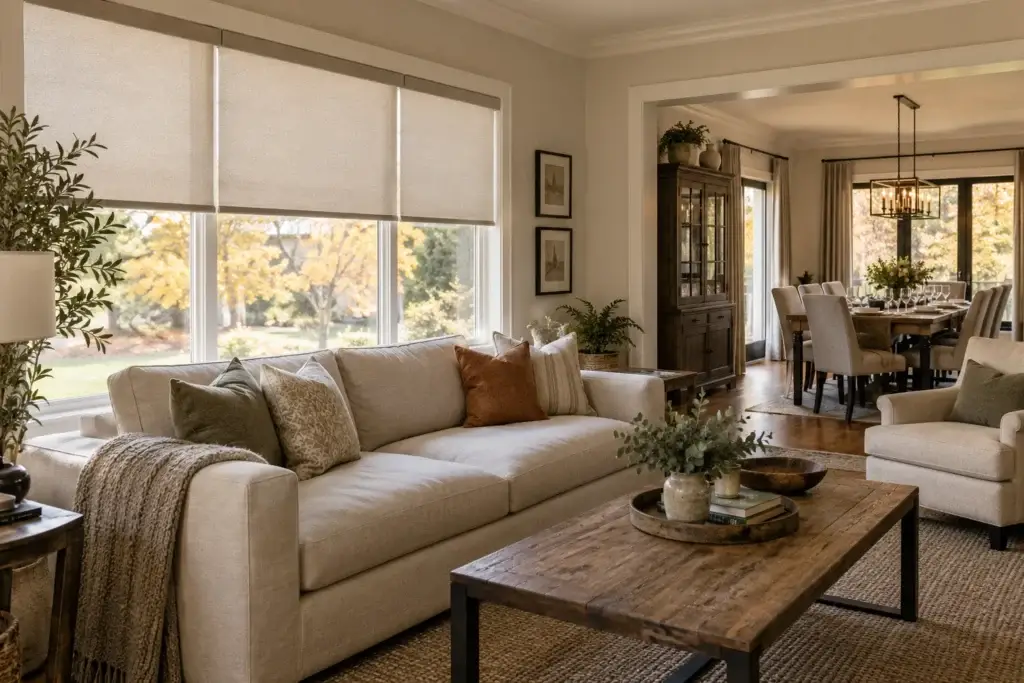
1. Colourvue Control Motorized Roller Shades
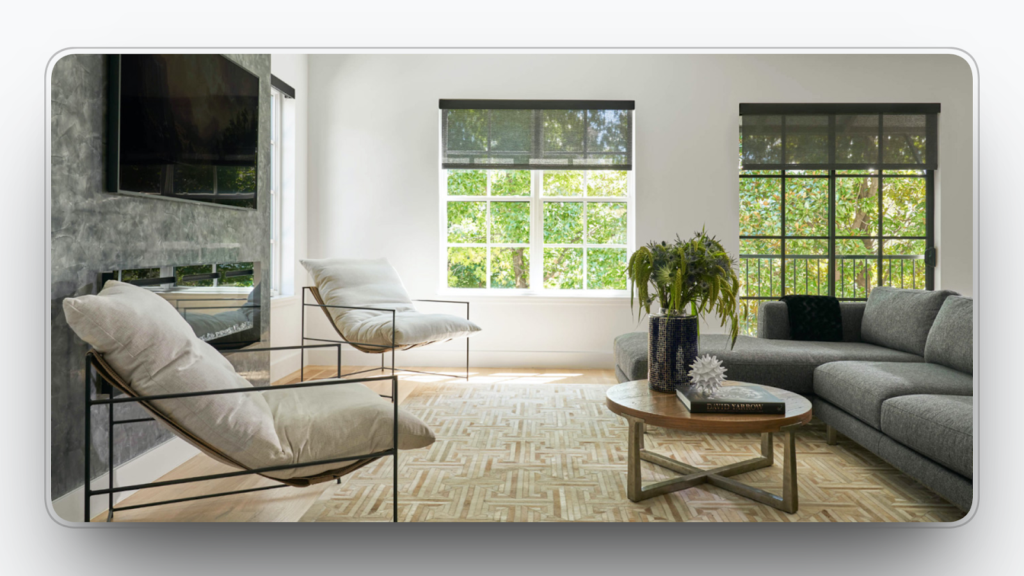
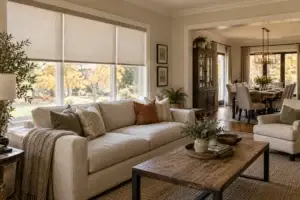
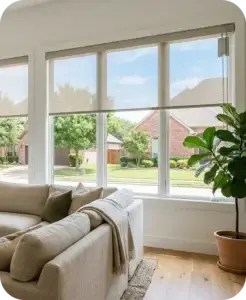
Motorized roller shades give sliding doors a crisp, modern finish that keeps the glass wall looking clean and intentional. They are especially strong when you want a bright space with controlled glare instead of a heavy, layered look.
For sliders, roller shades shine because they do not create bulky side stacks and they keep the focus on the view. Fabric choice is the real differentiator here, since solar styles preserve visibility while privacy fabrics reduce nighttime exposure.
Best for
- Bright living spaces that need glare control without losing the view
- Modern rooms that look best with clean lines and minimal visual texture
- Homeowners who want simple operation that feels effortless day to day
How it works on sliding doors
- The shade lifts into a compact roll at the top so the doorway stays visually open
- Splitting the treatment by door panels can make daily access smoother on multi-panel sliders
- Hardware placement should be planned around trim depth so the shade hangs straight
2. Colourvue Drapes
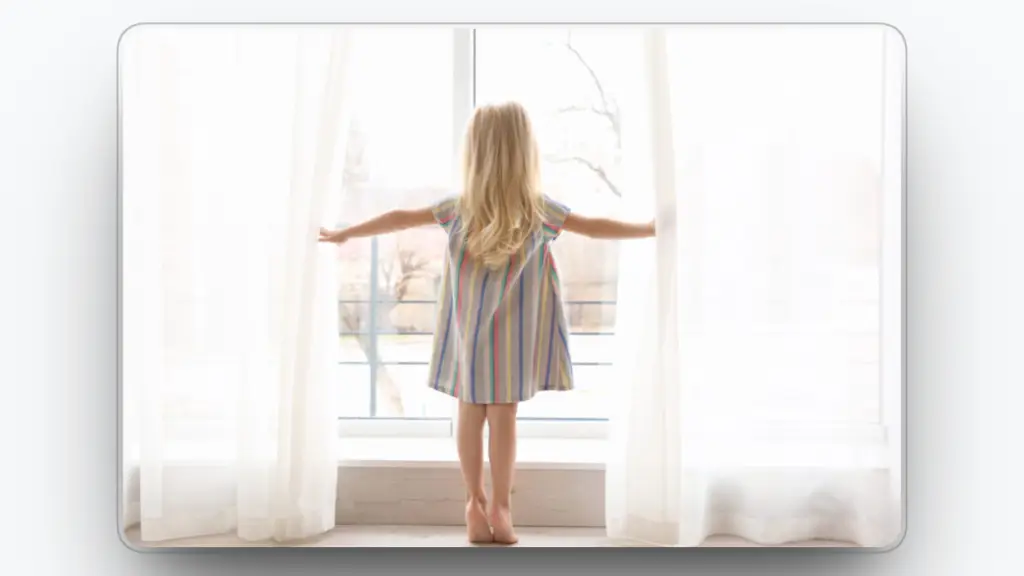
Drapes add softness and scale, which helps a wide sliding door feel like a designed feature instead of a blank wall of glass. They also create a more finished room because fabric introduces texture, warmth, and a sense of height.
On sliders, drapes work best when you want a true interior design look that still supports everyday use. Fabric weight and lining choices shape the result, from airy and casual to more private and substantial.
Best for
- Rooms that need a softer, more decorative finish around large glass
- Spaces where nighttime privacy matters and you want fuller coverage
- Open concept areas where you want the slider to visually anchor the room
How it works on sliding doors
- A traverse-style track keeps panels moving smoothly without constant hand pulling
- Proper fullness lets panels stack neatly and stay off the glass when open
- Hem height should be set to avoid contact with the floor and the door threshold area
3. Colourvue Motorized Roller Shades & Drapes
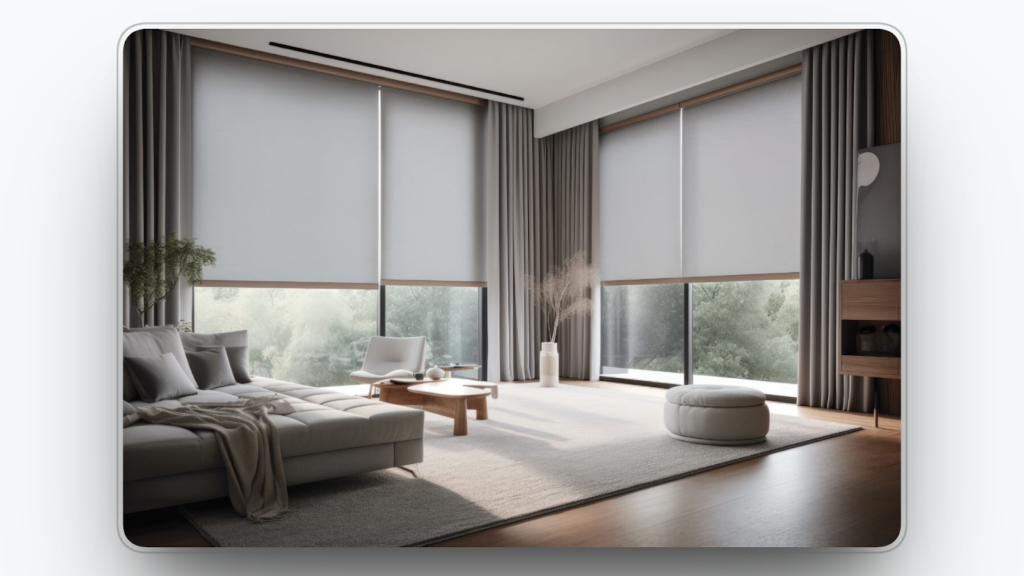
This pairing is a true two-layer solution that lets you keep the room bright in the day and more private in the evening without compromising style. It reads polished because the shade handles function while the drape adds the finished look.
For sliding doors, the benefit is control across changing conditions. You can manage glare and heat when the sun is intense, then close the drapes later for a more enclosed, comfortable feel when lights are on.
Best for
- Homes that want both practical control and a designer layered look
- Sliders facing neighbors where day and night privacy needs differ
- Rooms with changing light throughout the day that needs flexible adjustment
How it works on sliding doors
- The shade mounts closer to the glass while the drapery track sits forward for clean layering
- Stack space must be planned so both layers park without crowding the opening
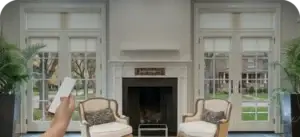
- Motorization is especially helpful on wide spans to keep movement consistent and smooth
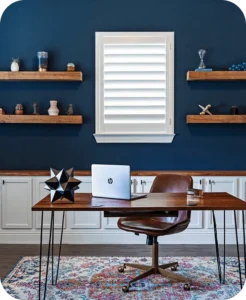
4. Highprofile Classic Plantation Shutters
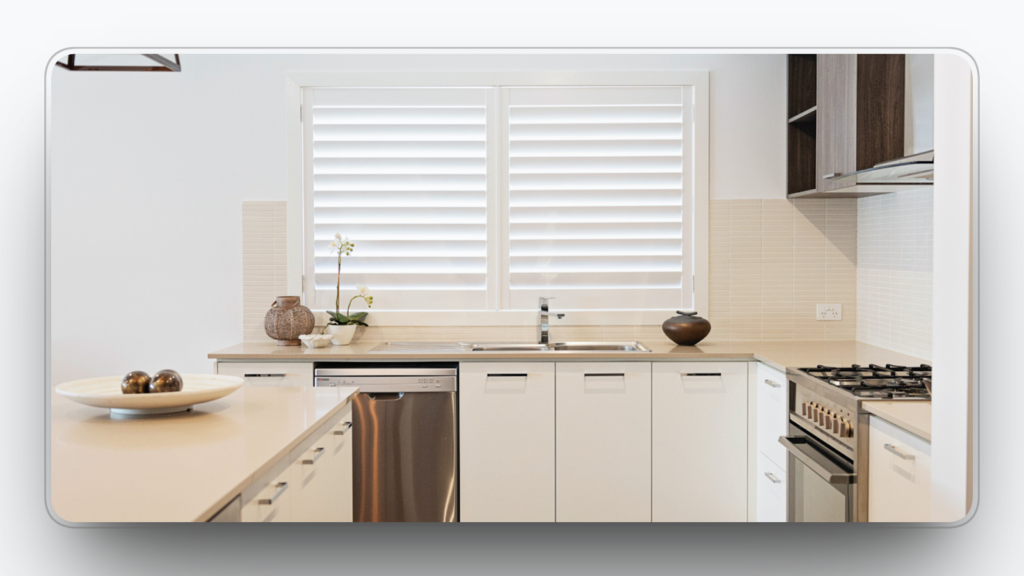
Plantation shutters give sliding doors an architectural finish that looks built-in and permanent. They suit homeowners who want a structured look that stays consistent year-round and does not rely on fabric for style.
For sliders, shutters stand out because louvers let you tune privacy and daylight without fully opening the system. They also create a clean frame around the opening that works well in classic and transitional interiors.
Best for
- Homeowners who want a timeless built-in look inside the home
- Spaces where you want controlled light without a soft fabric appearance
- Rooms where privacy is important but you still want daylight options
How it works on sliding doors
- Large openings typically use track-based or bypass shutter configurations
- Louvers adjust to manage visibility while keeping the opening visually neat
- Accurate measuring is critical so operation stays clear of door hardware and movement paths
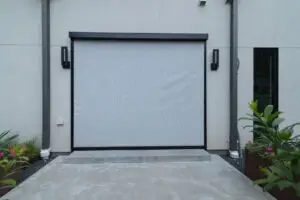
5. Aluminum Security Shutters
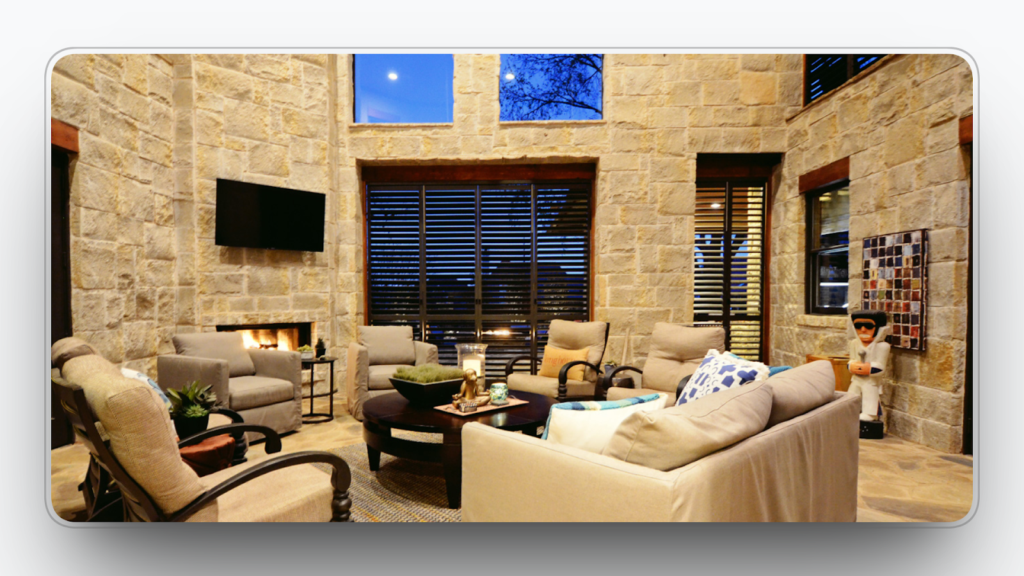
Security shutters are designed for homeowners who want privacy plus a stronger sense of protection at large door openings. They offer a more substantial barrier than standard interior coverings, which can matter on ground-level sliders.
For sliding doors, this option is less about decoration and more about confidence. Lockable construction and durable materials are the reason people choose it when the opening feels exposed.
Best for
- Ground-level sliders where added security is a priority
- Homes that want lockable privacy on large door-adjacent openings
- Properties with side access areas where visibility and protection matter
How it works on sliding doors
- Systems are configured to cover door-sized openings with practical access in mind
- Lock placement should be convenient without interfering with the door’s operation area
- Ventilation-friendly positioning can be planned so you can keep airflow while staying private
6. Weatherwell Elite Aluminum Patio Shutters
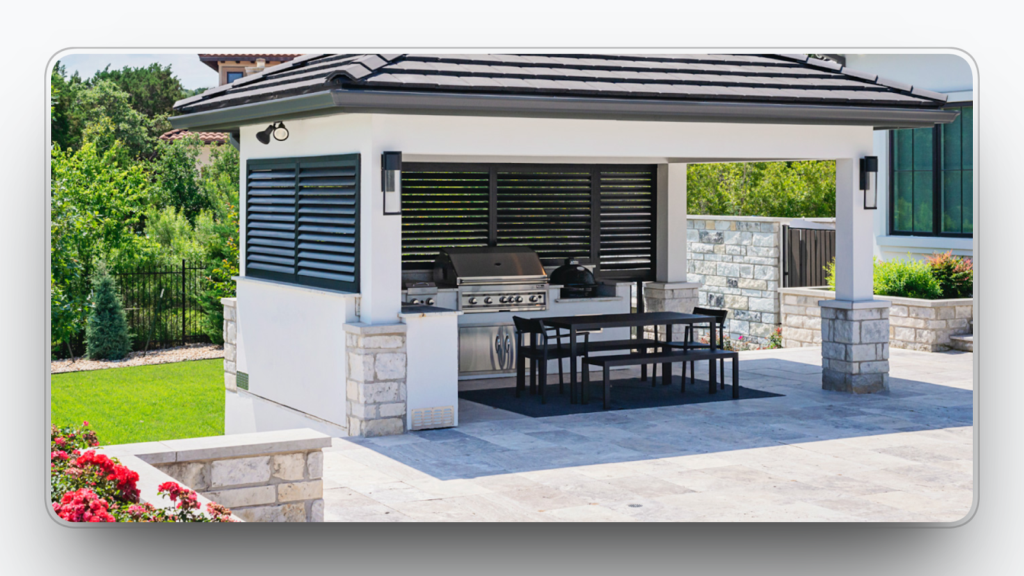
Exterior patio shutters help turn the area around sliding doors into a more usable outdoor zone. They add shade, privacy, and airflow control so the patio feels comfortable rather than exposed.
For homes where the slider connects directly to outdoor living, louvers make the difference. You can angle them to manage sun direction while keeping the space breathable and open.
Best for
- Covered patios that need adjustable shade and privacy near sliders
- Outdoor rooms where airflow matters as much as sun control
- Homes that want a structured exterior finish that complements the patio design
How it works on sliding doors
- Panels can be designed to slide or fold so the opening remains easy to use
- Louver adjustment provides flexible control without fully closing off the space
- Opening measurements must account for posts, beams, and alignment to keep panels moving cleanly
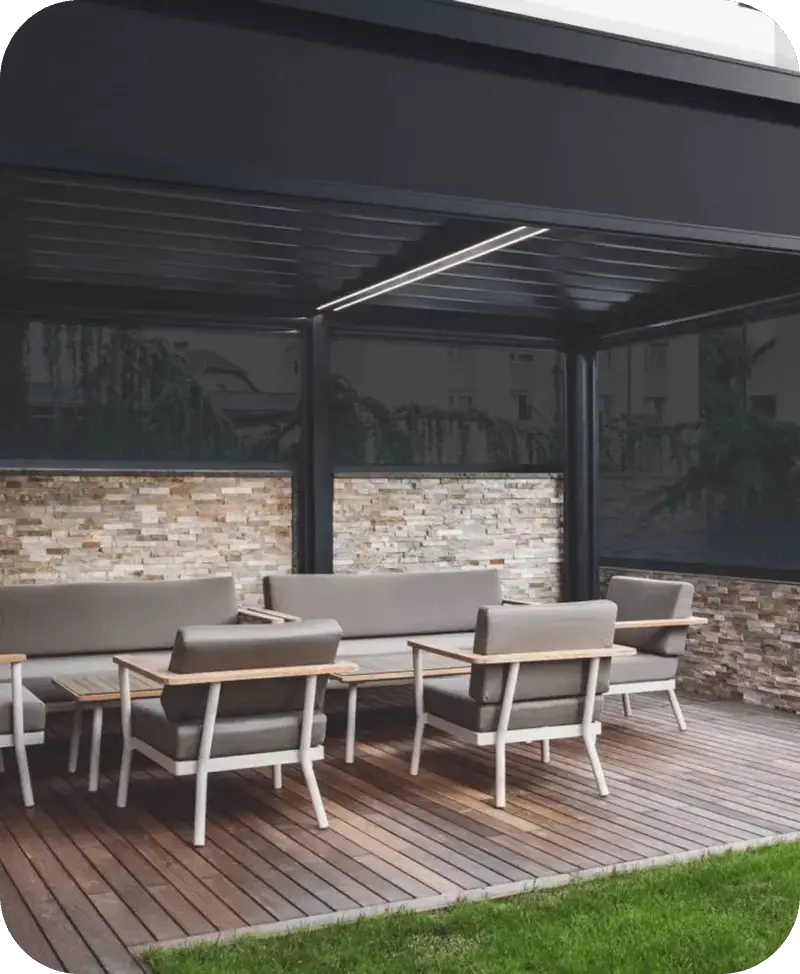
7. Shadesol Alfresco Motorized Patio Shades
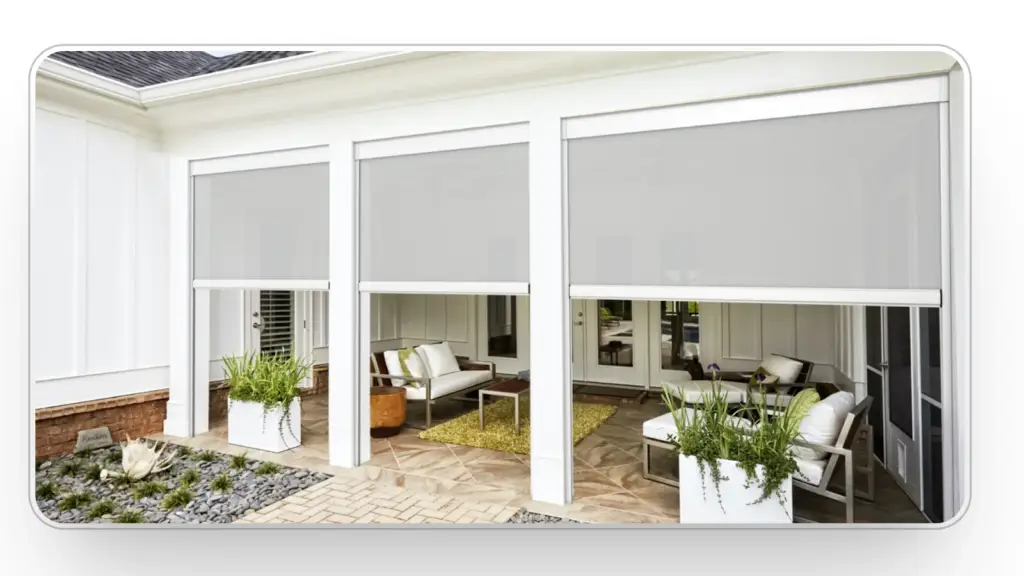
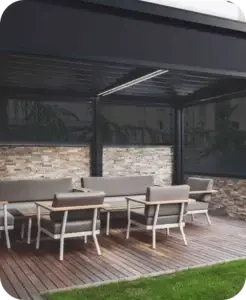
Exterior motorized patio shades reduce glare before it hits the glass, which can make the indoor space feel calmer and the outdoor space more comfortable. They are a strong choice when the sun is the main issue and you want a clean, modern exterior look.
For slider areas, this approach can also protect furnishings by reducing direct exposure to sunlight. The right fabric can balance visibility and privacy without making the patio feel closed in.
Best for
- Patios with harsh sun where glare and heat are daily problems
- Outdoor seating areas near sliders where comfort depends on shade control
- Homes that want an exterior solution that keeps the indoor view cleaner
How it works on sliding doors
- Installed on the exterior opening to create a shaded buffer in front of the glass
- Guided systems help the shade stay stable and aligned in breezy conditions
- Fabric selection determines how much view you keep versus how much privacy you gain
8. Skyline Gliding Window Panels
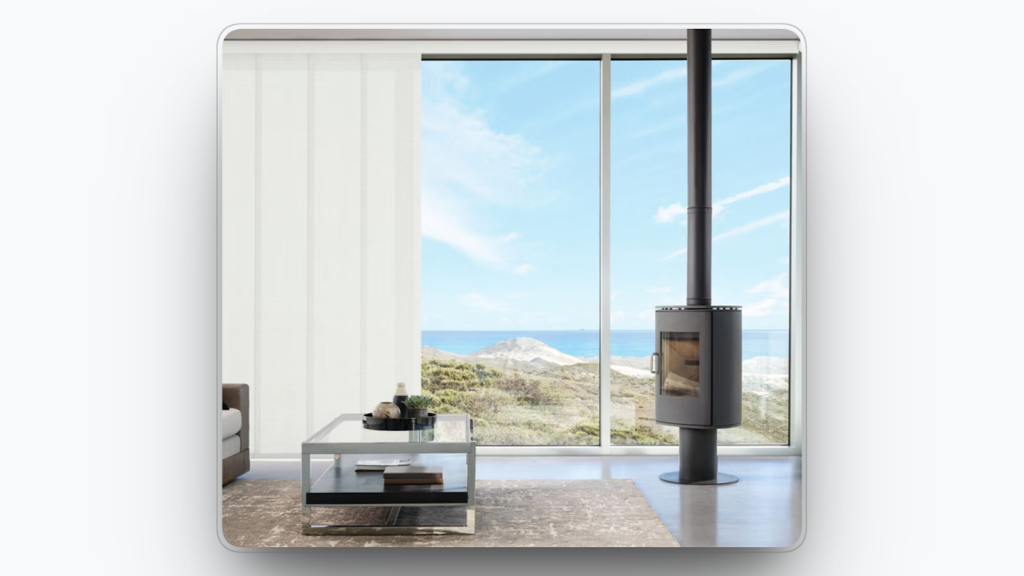
Gliding window panels deliver a modern, architectural look using wide fabric panels that feel intentional on large openings. They are a premium alternative to older vertical styles because the surfaces look cleaner and more contemporary.
For sliders, the panel format works well when you want a simple, wide-span solution that looks proportional to the door. The visual effect is neat and tailored, especially in modern living rooms.
Best for
- Extra-wide sliders where you want a clean panel-track style look
- Contemporary rooms that benefit from large, simple surfaces
- Homeowners who prefer a modern alternative to traditional vertical options
How it works on sliding doors
- Panels glide side to side and collect at the edge of the opening when open
- Panel width planning should match the door layout so the opening remains practical
- The stack side should be chosen so it does not crowd the primary walking path
9. Graber Vertical Cellular Shades
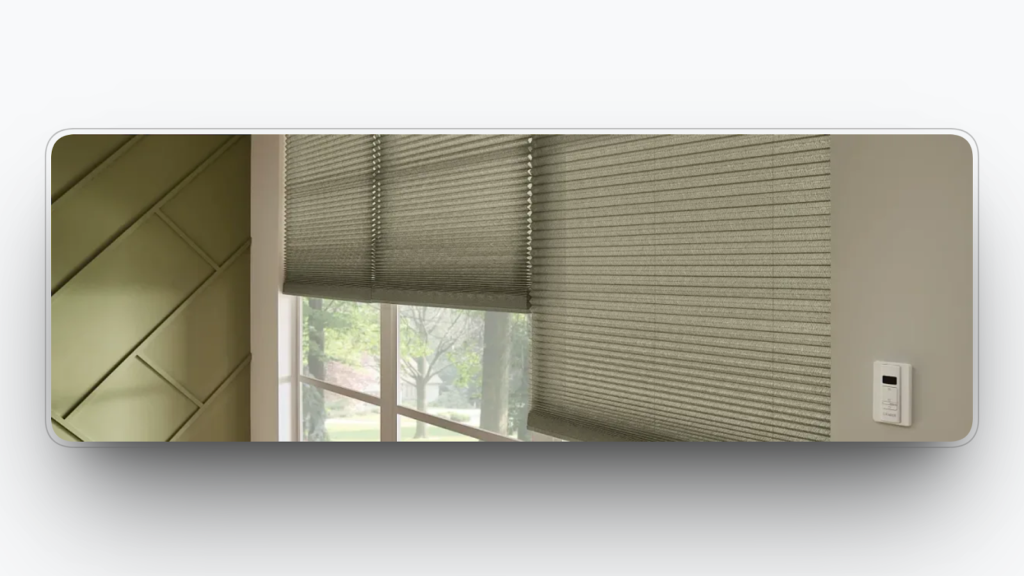
Vertical cellular shades prioritize comfort near large glass, where temperature swings can be noticeable. The cellular construction adds an insulating layer while still functioning in a slider-friendly, side-to-side format.
For sliding doors, they are a good fit when you want softness without the fullness of drapery. They keep the space feeling warm and residential while supporting practical daily use.
Best for
- Rooms that feel hot near the door in summer or chilly in winter
- Bedrooms and family rooms where comfort is the main goal
- Homeowners who want a fabric look with an efficiency-focused design
How it works on sliding doors
- The treatment opens side to side so it stays aligned with how the door functions
- Opening direction should match which door panel is used most often
- Bottom clearance should be planned so the fabric stays clean and avoids contact areas
10. Norman SmartDrape Shades
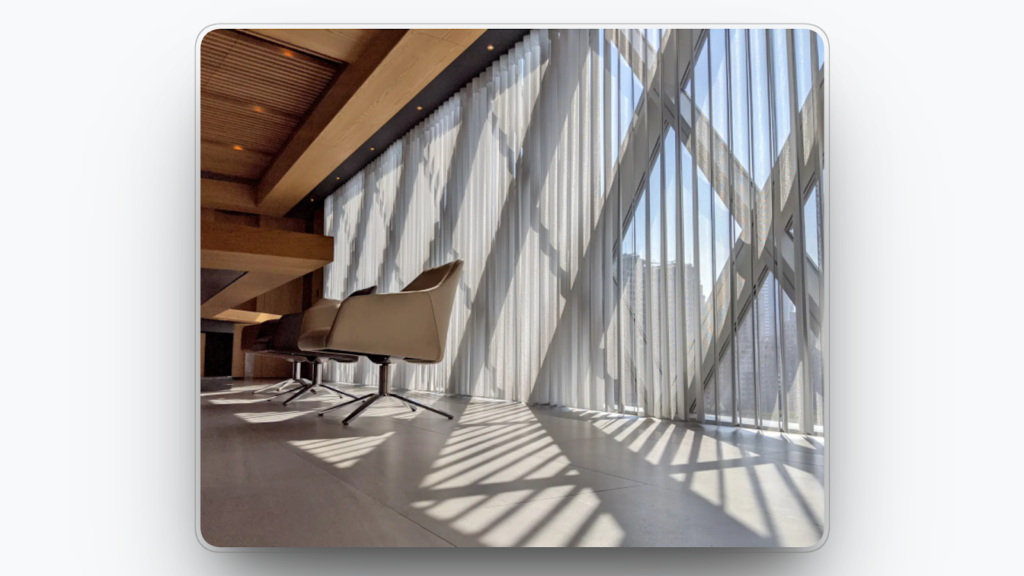
SmartDrape-style shades create a soft vertical look using fabric vanes that feel lighter than full drapery. They offer a clean balance between airy light diffusion and adjustable privacy, which suits living spaces that are used all day.
On sliding doors, this design is especially appealing when you want easy passage without wrestling heavy panels. The structure keeps the look tidy while still feeling soft and fabric-forward.
Best for
- High-traffic sliders where walk-through convenience matters
- Living rooms that want soft daylight without bulky fabric stacks
- Homes that want adjustable privacy while keeping a light, airy look
How it works on sliding doors
- Fabric vanes allow easy pass-through while maintaining the vertical style
- The system gathers to one side when fully open for access
- Stack-side planning should account for furniture placement and daily traffic flow
Measuring Tips Before You Buy
- Measure width at the top, middle, and bottom, then use the widest measurement.
- Measure height at the left, center, and right, then use the longest measurement.
- Confirm the active panel side so you can plan the stack direction correctly.
- Measure handle and lock projection so the treatment clears hardware.
- Measure stack-back wall space where panels will park when open.
- Choose inside or outside mount based on trim depth and the coverage you need.
- For exterior systems, measure post-to-post width and note beam depth for track planning.
FAQs
The best option depends on your goal. Roller shades and panel-style systems work well for clean glare control, while drapes add the strongest soft coverage and night privacy when you have enough stack-back space.
Yes. Many homeowners choose modern vertical formats because they match how a sliding door opens. Panel tracks, vertical cellular shades, and soft vane styles can improve walk-through access while keeping privacy and glare control adjustable.
Splitting by panels often improves daily use because you can keep the active door clear without moving the whole treatment. One wide shade can look simpler, but it can be less convenient on multi-panel sliders.
Use light-filtering privacy fabrics, adjustable vanes, or a layered setup like a shade plus drapery. Remember that sheers feel private in daylight but can look see-through at night with lights on.
Exterior patio shades and solar fabrics reduce glare before it hits the glass, and cellular designs add insulation near the door. The right choice depends on whether you want to keep a view or maximize sun blocking.
It can if measurements are off or the mount is too close to the hardware. Always check handle projection, track clearance, and where the treatment stacks when open before you buy.