In its 2025 Outdoor Living Trend Report, the International Casual Furnishings Association shared Wakefield Research survey results showing that 77% of consumers do not spend as much time outside at home as they would like.
When an outdoor space feels too bright, too hot, too exposed, or too difficult to adjust, the room stops getting used.
This guide breaks down 10 aluminum shutter styles for outdoor rooms, where each one works best, and the checkpoints to compare before you buy.
What Your Outdoor Room Needs Most
- Shade control: Full sun, partial sun, or all day glare at the opening
- Breeze control: Maximum airflow or calmer wind protection when closed
- Privacy control: Light screening, angled privacy, or full visual block
- Weather control: Rain splash, wind driven rain, dust, or humidity exposure
- Opening fit: Patio, pergola, or porch opening size and mounting surface
- Operation style: Hinged, sliding, folding, or fixed movement for daily use
- Design match: Panel lines, louver size, and finish that suit your exterior
Top 10 Aluminum Shutter Styles for Outdoor Rooms (Quick Picks)
Aluminum outdoor room shutters are most useful when you match the installation style to your opening width, clearance, and how often you plan to adjust light and airflow.
| Weatherwell Elite Sliding Bifold Aluminum Shutters: Best for extra wide patio openings when you want panels to stack neatly while keeping adjustable louvers. Weatherwell Elite Sliding Aluminum Shutters: Best for large outdoor room spans when you want smooth everyday access without needing swing clearance. Weatherwell Elite Hinged Aluminum Plantation Shutters: Best for smaller to medium openings when you want a classic door style panel with airflow control. Weatherwell Elite Fixed Panel Aluminum Shutters: Best for consistent shade and privacy when you want a clean look with minimal daily operation.Weatherwell Elite Operable Bahama Aluminum Shutters: Best for serving counters and sunny edges when you want overhead shade while still letting air move. Weatherwell Elite Aluminum Security Shutters: Best for ground level openings when you want a lockable aluminum shutter that still keeps louvers operable. Rollac SecuraMax Hurricane Rolling Shutters: Best for full close protection when you want a roll down aluminum system that disappears into a hood when open. Alutech HDX Accordion Shutter: Best for wide doors and lanais when you want fast close coverage with blades that stack to the side. Storm Smart Colonial Aluminum Shutters: Best for traditional exteriors when you want decorative curb appeal that also closes for protection. PCS Shutters USA Aluminum Hurricane Panels: Best for budget protection when you want removable aluminum panels you can stack and store off season. |
Comparison of 10 Best Aluminum Shutter Styles
| ALUMINUM SHUTTER STYLE | BEST USE IN OUTDOOR ROOMS | CONTROL LEVEL | EVERYDAY CONVENIENCE | BIGGEST CONSTRAINT |
| Weatherwell Elite Sliding Bifold Aluminum Shutters | Extra wide openings you want to open up fast | High | Medium | Needs stacking space |
| Weatherwell Elite Sliding Aluminum Shutters | Wide spans with frequent access | High | High | Loses some clear opening width |
| Weatherwell Elite Hinged Aluminum Plantation Shutters | Small to mid openings with door style swing | High | Medium | Needs swing clearance |
| Weatherwell Elite Fixed Panel Aluminum Shutters | Always on shade and privacy | Medium | High | No pass through access |
| Weatherwell Elite Operable Bahama Aluminum Shutters | Overhead shade at sunny edges and counters | Medium | Medium | Not full enclosure coverage |
| Weatherwell Elite Aluminum Security Shutters | Ground level openings needing lockable panels | Medium to High | Medium | Heavier hardware and locks |
| Rollac SecuraMax Hurricane Rolling Shutters | Full close storm and security shutoff | Low | High | No airflow when closed |
| Alutech HDX Accordion Shutter | Quick close coverage for large openings | Low | Medium | Visible side stack |
| Storm Smart Colonial Aluminum Shutters | Traditional look with storm close function | Low | Low | Not designed for daily airflow |
| PCS Shutters USA Aluminum Hurricane Panels | Budget storm protection you install as needed | Low | Low | Manual install and storage |
1. Weatherwell Elite Sliding Bifold Aluminum Shutters
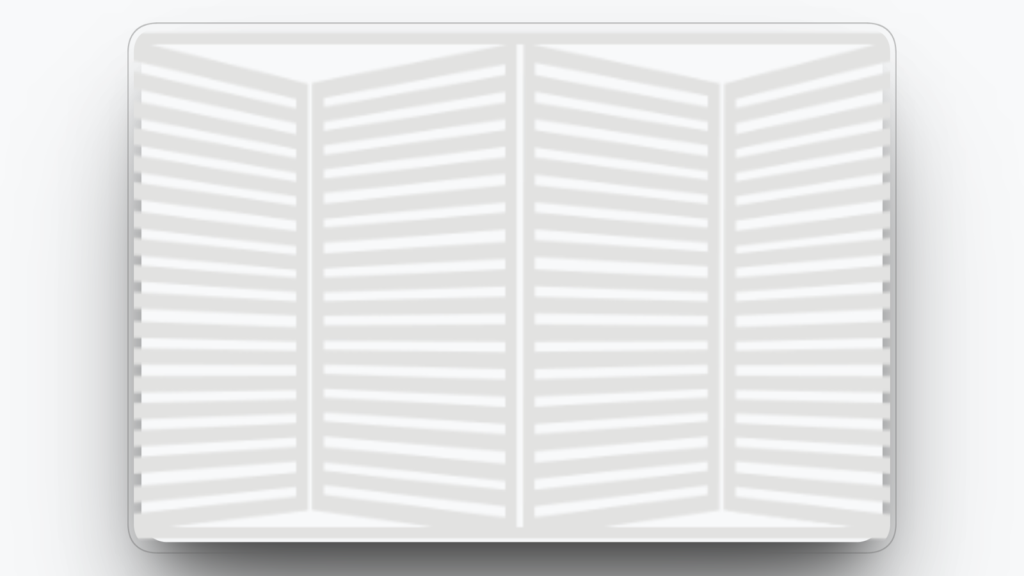
Sliding bifold aluminum shutters are track mounted panels that slide along the opening, then fold into a compact stack at one end so you can clear a wide outdoor room span without needing swing space. Because the opening is divided into smaller panels, they feel easier to move, align, and live with on large patios than a single oversized shutter.
This style is a strong match when you want the outdoor room to feel open most days, but still want a clean, finished system that can close down quickly for comfort and privacy.
Best for
Extra wide patio openings where you want panels to stack at one end and keep the walkway or seating area usable.
What It Controls
Adjustable louvers let you dial in glare and brightness while keeping the opening covered. You can keep airflow moving by angling louvers open, then tighten privacy by turning them to block direct sightlines.
Fit and Operation Notes
Plan the stack location first, because the folded panels need dedicated parking space at one end of the opening. Smooth operation depends on a straight track and stable posts or framing, so out of square openings can affect glide and closure alignment. In windy exposures, solid latching points help prevent panel movement and reduce noise when closed.
2. Weatherwell Elite Sliding Aluminum Shutters
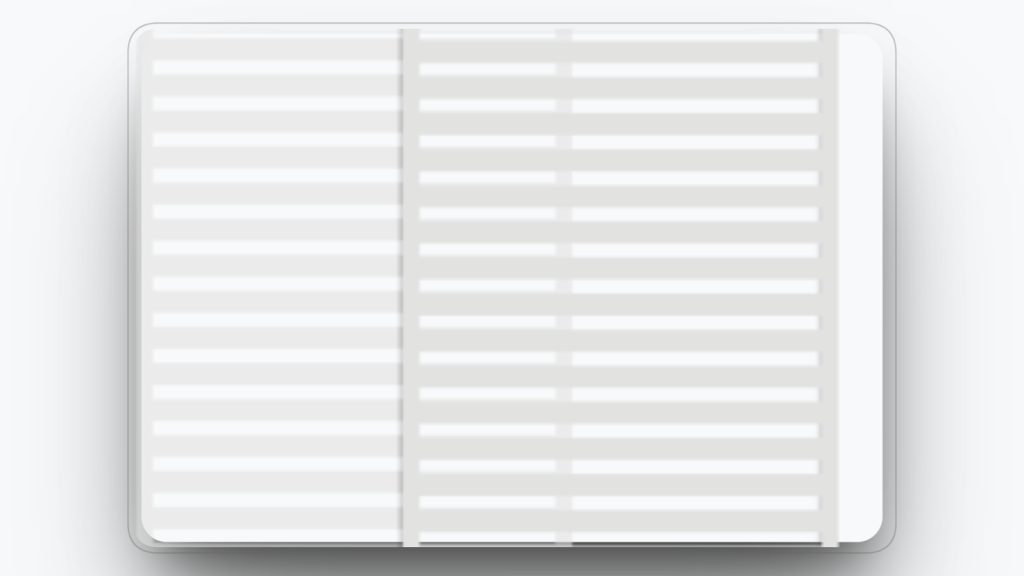
Weatherwell Elite sliding aluminum shutters use full height panels that glide on a track, so you can cover a wide outdoor room opening with a clean, side to side motion. Because the panels do not swing, they work well in patios where furniture, railings, and grill zones sit close to the opening.
They are a smart choice for everyday living because the movement stays consistent. You slide panels into position, set the louvers, and keep the space feeling organized whether the shutters are open, partially covering the span, or fully closed.
Best for
Wide outdoor room spans where you want frequent access and minimal clearance for swinging panels.
What It Controls
Louvers let you soften glare while keeping the space bright, and they can be angled to maintain a usable view. Ventilation is managed by louver position, and privacy improves as you rotate slats to block direct lines of sight.
Fit and Operation Notes
Plan the parking zones, because open panels still occupy width at one or both ends. Track performance improves when the mounting surface is level and rigid, especially on long runs. If the opening faces gusty wind, choose secure closure engagement so panels stay positioned and do not creep along the track.
3. Weatherwell Elite Hinged Aluminum Plantation Shutters

Hinged aluminum plantation shutters open like doors, using a familiar swing motion that feels natural on covered porches and smaller patio bays. The panel layout gives the outdoor room a more architectural, finished look, especially when openings are framed between posts.
This style is easiest to live with when you like full access through the opening. You can swing panels open for movement and airflow, then close them to create a more defined room edge when the sun or sightlines become distracting.
Best for
Small to medium openings where a door style swing fits the layout and the look.
What It Controls
Louvers let you cut harsh sun without darkening the room, since you can angle light upward or downward. You can also tune airflow while shielding views by rotating slats to interrupt sightlines.
Fit and Operation Notes
Swing clearance is the deciding factor, so confirm panels can open without hitting seating, railings, or planters. Hinge and handle placement should match how people enter the space, especially near doors. In open exposures, a strong close and secure latch reduce movement when the wind picks up.
4. Weatherwell Elite Fixed Panel Aluminum Shutters
Fixed panel aluminum shutters are stationary panels that stay in place, acting more like a permanent outdoor room screen than a door you operate. They create a consistent border around the space and help the room feel intentional rather than unfinished.
This option is best when the opening is not used as a walkway. It is a simple way to add visual privacy and soften intense sun angles while keeping the outdoor room breathable.
Best for
Side openings and perimeter sections where you want continuous screening and do not need pass through access.
What It Controls
Light and visibility are filtered in a steady way based on the louver spacing, creating consistent shade without daily adjustment. Air still moves through the slats, so the space stays ventilated while feeling more private.
Fit and Operation Notes
Place fixed panels where circulation is not required, such as along seating walls or neighbor facing sides. A rigid mounting surface helps keep the panel square and quiet over time. Consider cleaning access, because fixed louvers will collect pollen and dust and should be reachable.
5. Weatherwell Elite Operable Bahama Aluminum Shutters

Operable Bahama aluminum shutters hinge at the top and prop outward, forming an awning-like shade plane over the opening. This style is ideal when the sun hits high and bright and you want overhead relief without turning the outdoor room into a closed wall.
It also adds a distinctive exterior look that reads purposeful from the yard. Many homeowners like it for outdoor kitchens and serving counters because it can shade work surfaces while keeping the space open and social.
Best for
Sunny edges, counters, and patio sides where you want overhead shade and an open feel.
What It Controls
The angled panel blocks direct sun from above and reduces glare on seating and surfaces. Air continues to flow beneath the panel, and privacy varies based on the angle and the viewing height from nearby homes.
Fit and Operation Notes
Confirm clearance for the panel to project outward under beams and over walkways. Hardware must hold position securely, since wind can push against the angled surface. Think about rain patterns, because water can shed off the panel and may land where you sit or stand.
6. Weatherwell Elite Aluminum Security Shutters
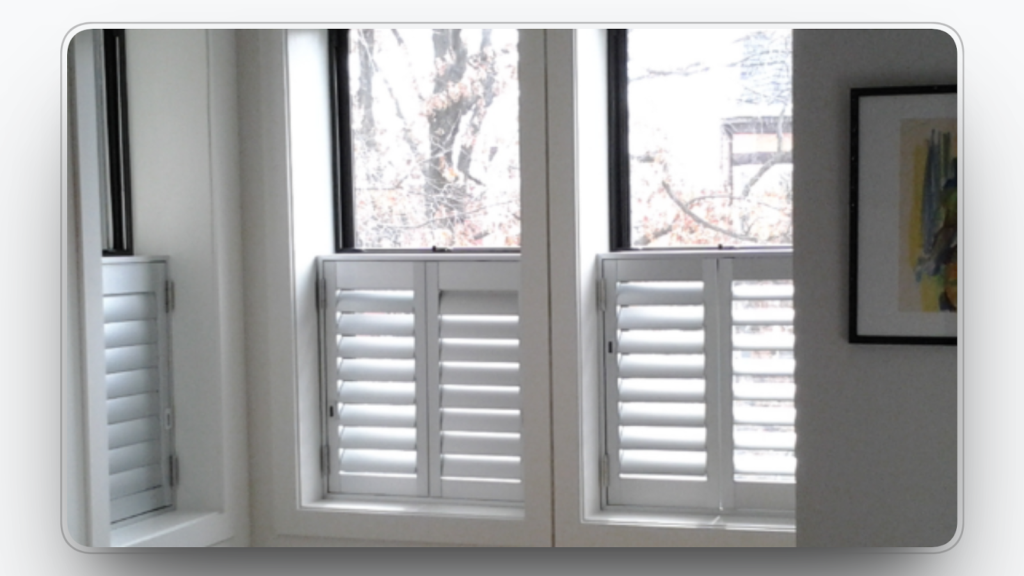
Aluminum security shutters add a lockable barrier to an outdoor room opening while keeping a clean shutter appearance. They are often chosen for ground level patios, side yards, and openings that face public areas where homeowners want added control when the space is not in use.
This style works well when you want security without a commercial look. It keeps the outdoor room consistent with the rest of the exterior while offering a more secure close than standard panels.
Best for
Ground level openings where you want a lockable aluminum shutter system that still feels residential.
What It Controls
When closed, they reduce visibility into the outdoor room and help limit light entry. Airflow depends on louver position, and privacy increases as slats are angled to block direct views.
Fit and Operation Notes
Plan locking points based on how you use the space at night and when you are away. Fastening into solid structure matters, since security performance depends on hardware and anchoring more than the panel itself. Because these builds can feel heavier, smooth alignment and a confident latch are key to everyday usability.
7. Rollac SecuraMax Hurricane Rolling Shutters
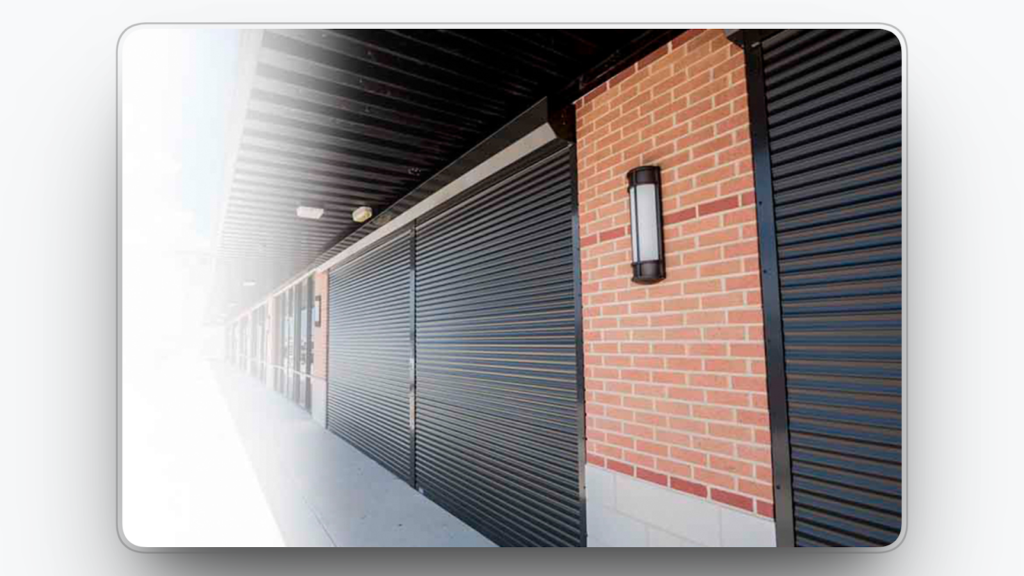
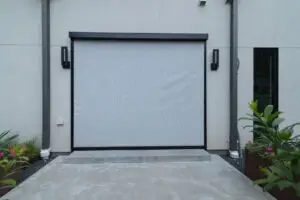
Rolling aluminum shutters move vertically and store in an overhead housing when open, leaving the opening visually clean. When deployed, they create a continuous barrier across the span, which is why they are commonly selected for storm protection and security on large patio doors and exposed outdoor room openings.
This style is best when you want a system that stays out of the way most days but can close fast when conditions change. It fits modern exteriors well because the shutter curtain disappears neatly when retracted.
Best for
Outdoor room openings where you want full close protection with minimal visual clutter when open.
What It Controls
When closed, it blocks light, airflow, and visibility almost completely. When open, the opening returns to full view and full ventilation.
Fit and Operation Notes
You need space above the opening for the housing and a clear vertical path for travel. Choose manual or motorized operation based on opening height, width, and how often you expect to use it. Water management around the housing and guides should be planned so runoff does not create recurring maintenance.
8. Alutech HDX Accordion Shutter
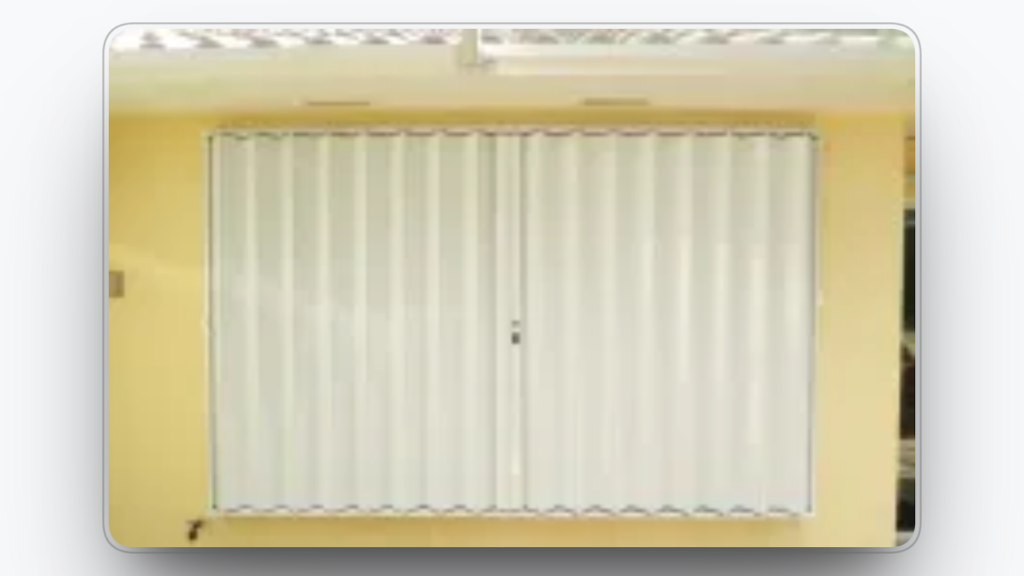
Accordion aluminum shutters use interlocking blades that slide on tracks and compress into a stacked bundle at the sides. They are built for wide openings because they close quickly and cover large spans without needing large swing panels.
This option is a practical pick when speed and coverage are the priority. It is often used in storm prone areas where homeowners want a straightforward system that can be secured without complex steps.
Best for
Large patio doors and wide outdoor room spans where you want fast close coverage and side stacking storage.
What It Controls
When closed, it greatly reduces light and airflow and creates strong privacy. When open, the opening stays usable, with the stacked blades parked at the edges.
Fit and Operation Notes
Account for the visible side stack, since it remains in view even when fully open. Tracks should be kept clear of debris for smooth movement, especially in dusty or high pollen environments. Confirm the latch style and closing sequence so it feels simple to secure under time pressure.
9. Storm Smart Colonial Aluminum Shutters
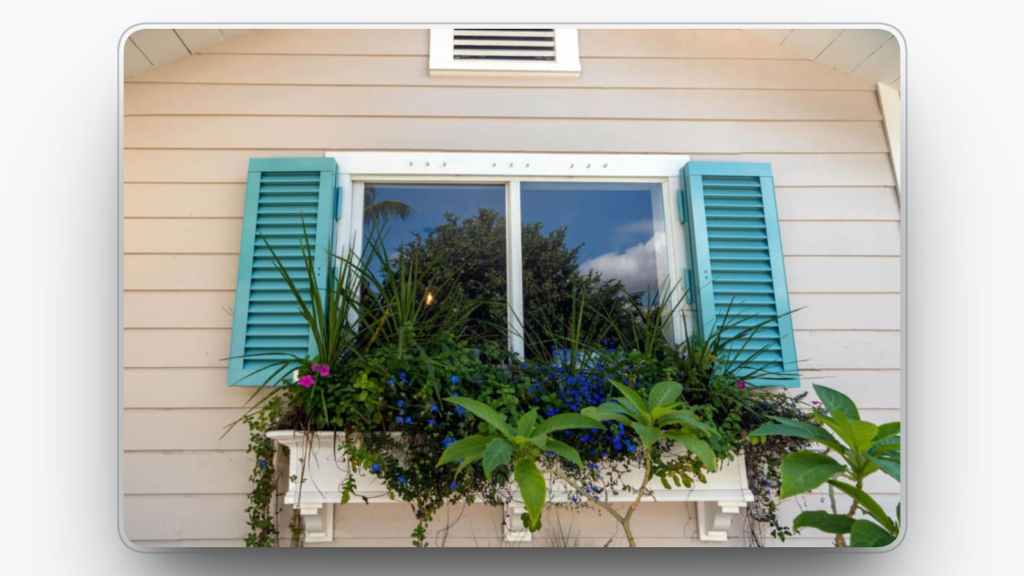
Colonial aluminum shutters are side hinged shutters that swing closed over an opening, pairing traditional curb appeal with functional closure. They are familiar with classic architecture and can work near outdoor rooms when you want protection without introducing tracks or overhead housings.
They are often chosen for street facing elevations where aesthetics matter as much as function. In outdoor room planning, they make the most sense where openings are moderate in size and the surrounding wall space supports the panel swing.
Best for
Traditional exteriors where you want a classic shutter look that can close and secure when needed.
What It Controls
When open, panels sit to the sides and do not affect sun or airflow. When closed, they block light and visibility more than they provide adjustable ventilation.
Fit and Operation Notes
You need wall space on both sides for panels to rest when open. Hinge strength and mounting depth matter because open panels can catch wind. Pay attention to center alignment and closure hardware so the panels meet cleanly without gaps.
10. PCS Shutters USA Aluminum Hurricane Panels
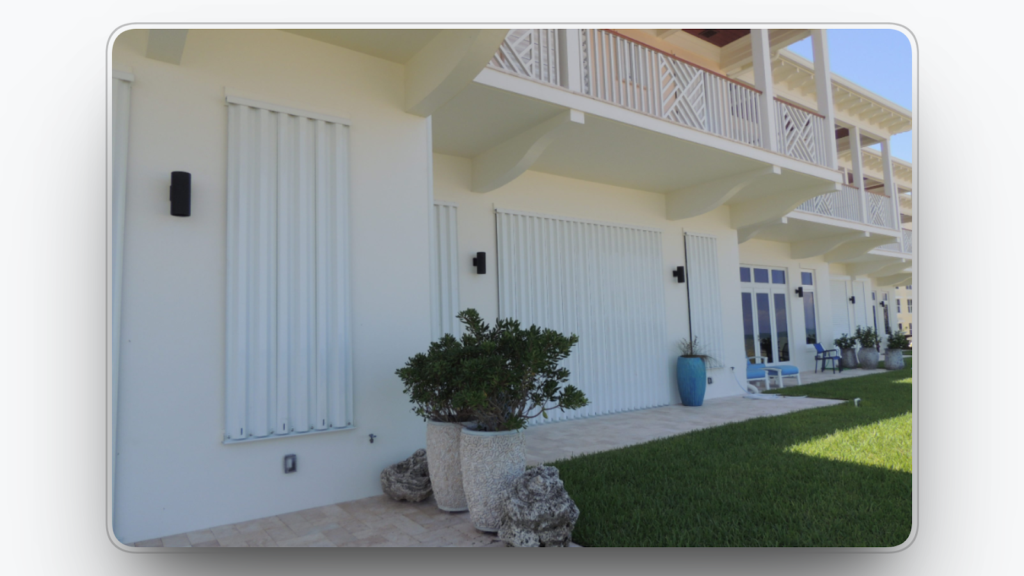
Aluminum hurricane panels are removable panels you install when you need temporary protection, then take down and store. They are often chosen for outdoor rooms because they can cover large patio spans at a lower cost than fully operable shutter systems.
This style fits homeowners who do not need day to day shade control and prefer a protection first solution for storm season. It is simple in concept, but it requires planning for handling, storage, and installation time.
Best for
Seasonal storm protection on patio openings when you are comfortable with manual setup and storage.
What It Controls
When installed, panels block light, airflow, and visibility almost completely. When removed, the opening returns to normal with no daily impact.
Fit and Operation Notes
You need a storage plan that keeps panels organized and protected from damage. Installation time and safe handling matter, especially on tall openings or heavier panel sets. Make sure attachment points are placed where they do not interfere with normal outdoor room use when panels are not installed.
How to Choose the Best Aluminum Shutter Style
- Start with the opening goal: daily shade and airflow control or occasional full close protection
- Match movement to space: sliding for tight clearances, hinged for simple access, bifold for wide spans, Bahama for overhead sun
- Check the opening layout: wide span, corner, railing, and where panels will park when open
- Pick your privacy level: light screening, angled privacy, or full block when closed
- Plan for weather exposure: wind driven rain and gusts usually need tighter closure and stronger latching
- Decide how often you will operate them: daily use favors smooth tracks or easy swing, storm use favors fast close systems
- Confirm practical details: mounting surface strength, hardware durability, and easy cleaning access for pollen and dust
Sizing and Layout Tips Before You Order Aluminum Shutters
- Measure each opening at three points. Record width at the top, center, and bottom, then record height at the left, center, and right. Use the smallest numbers as your baseline.
- Decide whether you are mounting inside the opening or on the face. Reveal (inside) mounts typically use the smallest width and height so the unit fits within the opening. Face (outside) mounts use edge-to-edge measurements based on where you want the frame to stop.
- Flag out-of-square posts and uneven beams early. Track systems depend on straight, stable mounting surfaces.
- Plan parking space. Sliding and sliding bi-fold systems need a clear spot where panels will stack when open.
- Confirm daily clearance. Check furniture, grills, railings, and door swings so panels do not block walkways.
- Match hardware to exposure. Windy openings benefit from secure closure, and rated systems should be discussed with a specialist when exposure is high.
FAQs
Yes. Aluminum patio shutters are designed for outdoor living spaces where homeowners want adjustable light, airflow, and privacy. The right installation style depends on opening size, clearance, and exposure.
Sliding bifold and sliding shutters are common picks for wide spans because they work on tracks and can cover large openings without needing swing clearance. The best choice depends on where the panels will park when open.
Louvered aluminum shutters can, because you can angle the louvers to let breezes pass while reducing glare. Rolling shutters and storm panels block airflow when installed or fully closed.
Choose hinged if you have swing space and want simple door style access. Choose sliding if the layout is tight and you want panels to move without interfering with furniture, railings, or walkways.
Yes. Louvers can be angled to block direct sightlines while keeping the outdoor room bright. Solid and storm style shutters create the strongest privacy when closed.
Measure each opening at the top, middle, and bottom, then use the smallest width and height. Also note out of square posts, slopes, and where panels will park so operation stays smooth.