| TL;DR:Start with the windows that create daily sun patches on floors and rugs.Choose solar or screen fabrics based on openness and exposure direction.Use room darkening where rugs sit in direct sun for hours.Reduce light gaps and build a daily schedule so protection is consistent.For harsh west sun, exterior shades can cut intensity before it hits the glass. |
UV blocking shades are window treatments that use UV-filtering fabrics, liners, or exterior screening to reduce ultraviolet light indoors and slow fading on hardwood floors and rugs.
Most residential window glass still allows a meaningful amount of UVA to pass through, often in the range of 45% to 75% depending on glass type and coatings. Standard window glass blocks most UVB, but UVA can still pass through, which is one reason indoor fading happens near bright windows.
If you are noticing bright sun patches on the floor, a lighter outline where a rug used to sit, or uneven color near south or west facing windows, the concern is real. Most homeowners want protection without dark rooms, lost views, or bulky shades that feel annoying to use.
We will cover 7 practical UV blocking shade ideas and simple guidance for choosing the right option based on sun exposure, fabric openness, and how you use the room, with realistic expectations and no false promises.
Signs Your Home Needs Better UV Protection
- Sunlit patches on hardwood that look lighter or duller than the surrounding boards
- A clear rug outline or furniture footprint that stays visible after rearranging
- Area rugs losing color fastest near south or west facing windows
- Hardwood finish looking dry, hazy, or uneven in the brightest parts of the room
- Fabrics and decor near windows fading faster than items placed deeper indoors
- Rooms that feel hot and glaring even with blinds partially closed
- You avoid opening shades because the light feels harsh, yet you still want daylight
Top 7 UV Blocking Shade Options (Quick Picks)
UV blocking shades reduce the UV and harsh light that speeds up fading on floors and rugs. The best options balance UV control, glare reduction, and view so rooms stay bright without direct sun hotspots.
| Colourvue Control Motorized Roller Shades: Interior roller shade with clean lines and motorized control that helps cut UV and glare on hardwood and rugs. Shadesol Alfresco Motorized Patio Shades: Exterior mounted shade that blocks sun before it hits the glass, ideal for intense afternoon exposure near large openings. Hunter Douglas Designer Screen Shades: Screen style solar shade designed for UV protection while preserving daytime view through the fabric. Bali Solar Shades: Solar shade option built to reduce glare and UV while keeping a modern, minimal look for bright rooms. Graber Solar Shades: Solar shade lineup that targets UV control and glare reduction with a wide range of fabric choices. Norman Soluna Roller Shades: Roller shade system that calls out UV protection to help reduce fading on flooring, rugs, and artwork. LEVOLOR Custom Solar Shades: Mesh like solar shade built to block furniture fading rays while keeping your view and natural light. |
Comparison of 7 Best UV Blocking Shade Ideas
| OPTION | INSTALL | UV AND GLARE CONTROL | BEST USE CASE |
| Colourvue Control Motorized Roller Shades | Indoors | UV filtering fabric | Daily protection for hardwood and rugs in sunny rooms |
| Shadesol Alfresco Motorized Patio Shades | Outdoors | Stops sun before glass | Harsh west sun and big openings that create floor hot spots |
| Hunter Douglas Designer Screen Shades | Indoors | Screen fabric and openness | Maximum daytime view with strong UV reduction |
| Bali Solar Shades | Indoors | Solar fabric and openness | Simple UV control for budget friendly upgrades |
| Graber Solar Shades | Indoors | Solar fabric and openness | Fine tuning glare and UV for rug zones near windows |
| Norman Soluna Roller Shades | Indoors | UV focused roller fabrics | Clean modern rooms needing dependable fading protection |
| LEVOLOR Custom Solar Shades | Indoors | Solar screen fabric | Large windows and sliders where rugs sit close to glass |
1. Colourvue Control Motorized Roller Shades
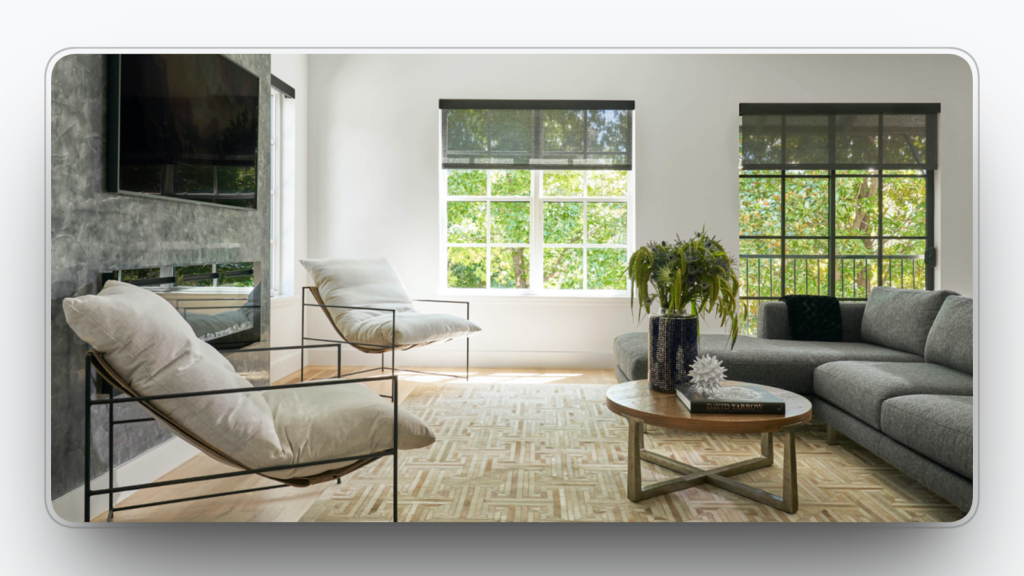
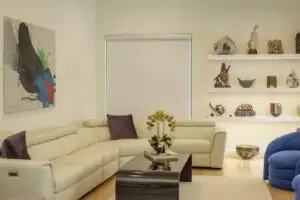
These are sleek interior roller shades that stay out of sight when open and give you precise control when closed. The biggest advantage for floor and rug protection is consistency, because motorization makes it easy to cover the glass during peak sun hours instead of reacting after fading starts.
To make them truly UV focused, the fabric choice matters more than the motor. Pick a solar or light filtering fabric for bright rooms that still need daylight, or step up to room darkening when a rug sits in direct sun every afternoon.
Best for
- Hardwood floors with a daily sun patch near large windows
- Rugs placed within a few feet of south or west facing glass
- Homes that want clean style with easy everyday use
- Busy households that forget to adjust shades manually
How it protects floors and rugs
- UV filtering fabrics help reduce the rays that speed up fading
- Stronger fabrics reduce glare hotspots that bleach one area faster
- Scheduled closing during peak hours helps prevent repeat sun stripes
- Better edge coverage reduces light leaks that hit the same boards daily
2. Shadesol Alfresco Motorized Patio Shades
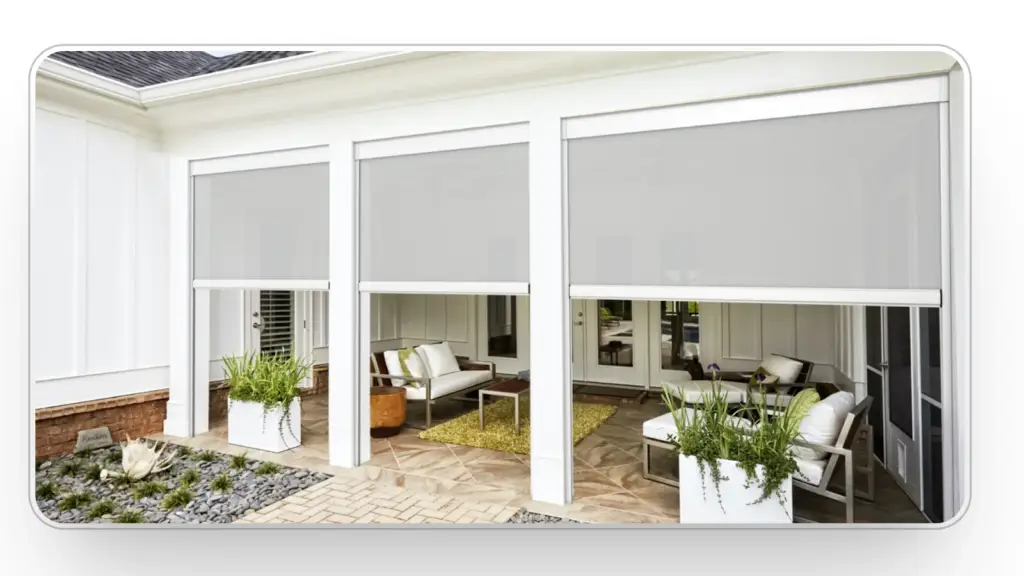
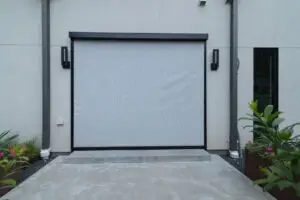
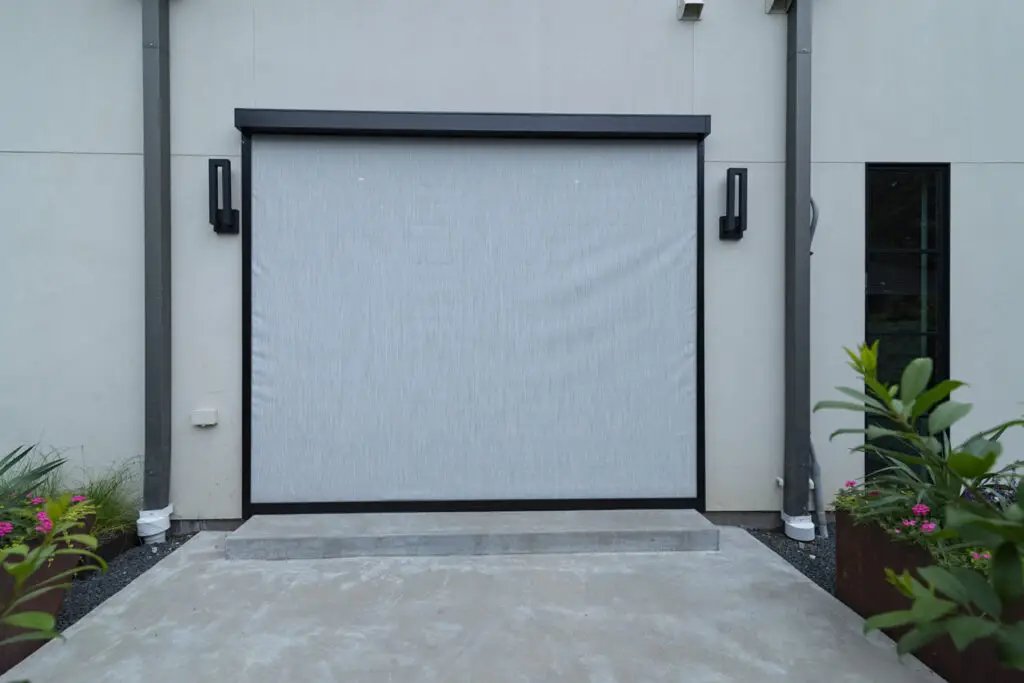
These are exterior mounted shades that stop sunlight before it reaches the glass, which is often the most effective way to reduce intense exposure on interior floors. They are ideal when a patio opening or big window throws a bright rectangle onto hardwood and rugs for hours.
Exterior shading also helps comfort, so people actually use it. When the space feels cooler and less glaring, the shade stays down longer, and that day to day consistency is what slows fading over time.
Best for
- West facing openings with harsh afternoon sun
- Sliding doors where rugs sit close to the glass
- Sunrooms and open plans with wide glare zones on the floor
- Homes where interior shades still leave strong hot spots
How it protects floors and rugs
- Blocks a large share of sun before it passes through the window
- Reduces the intensity of direct light that creates uneven fading
- Softens glare bands that repeatedly hit the same floor section
- Helps limit heat buildup that can stress wood finishes over time
3. Hunter Douglas Designer Screen Shades
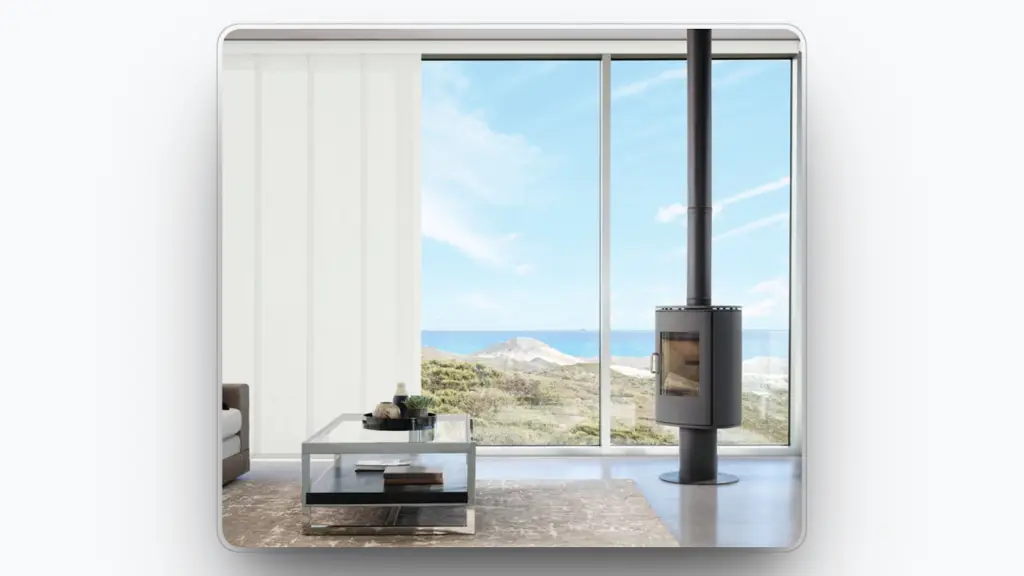
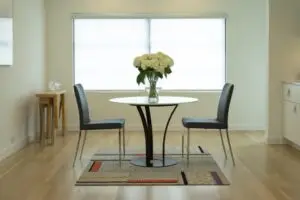
Solar screen fabrics can reduce glare while keeping daytime light. Openness affects view-through and performance, so lower openness usually reduces glare more, while higher openness preserves more view.
Best for
- Rooms where you want daylight with less glare on floors
- Windows that create a repeating sun stripe on hardwood
How it protects floors and rugs
- Screen fabrics reduce UV and harsh light that contributes to fading
- The right openness reduces how intense the sun patch becomes
- Daytime filtering encourages consistent use during peak sun
4. Bali Solar Shades
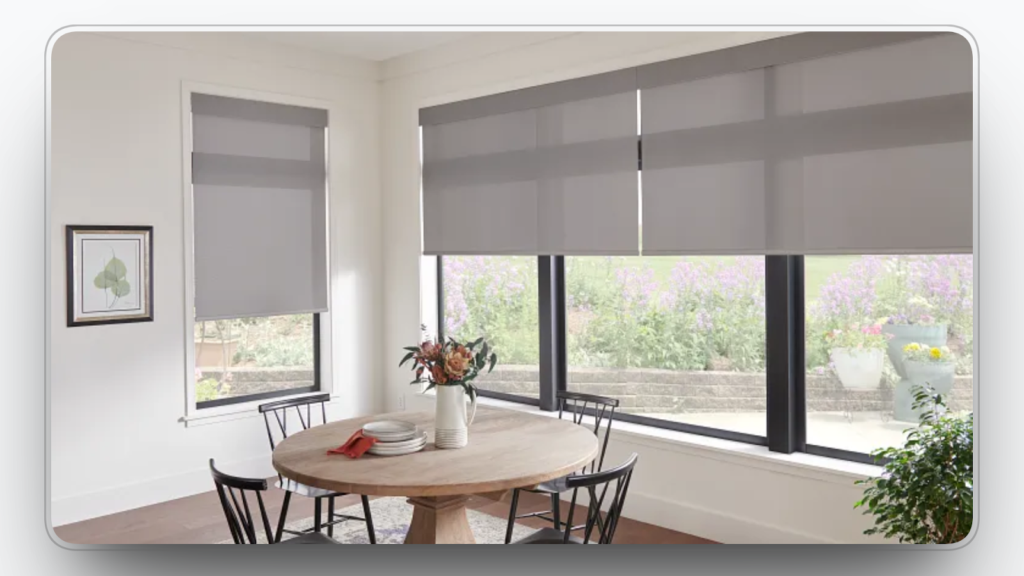
Light-filtering fabrics soften hotspots while keeping the room usable during the day. This is often the best balance when you want protection but do not want the room to feel dim.
For best results, treat them like a targeted protection tool. Use lower openness for problem windows and a slightly higher openness where you want more view, so each room gets the right balance.
Best for
- Cost conscious upgrades for sunny living rooms and dining areas
- Living rooms and kitchens where you want brightness without floor hotspots
- Large windows where you want simple, modern coverage
- Rugs fading near windows that get steady midday sun
- Renters or homeowners who want a clean style upgrade
How it protects floors and rugs
- Solar fabric reduces UV exposure that leads to color loss
- Glare reduction helps prevent harsh light bands on the same boards
- Better daytime comfort increases how often the shade stays down
- Openness choices help balance view while improving protection
- Softer light reduces harsh bands that bleach one zone faster
5. Graber Solar Shades
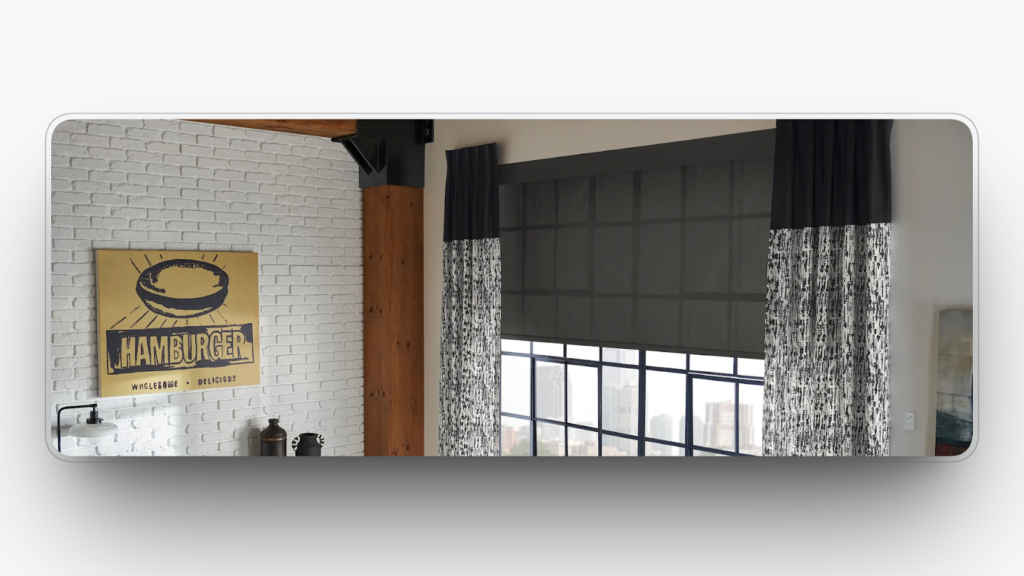
If a rug sits in direct sun for hours, room-darkening fabrics can reduce intensity more than screen fabrics alone. Use this option when you already see an outline or uneven color near glass.
Think of these as a dial, not an on off switch. You can tune for a bright kitchen, a glare heavy living room, and a rug sensitive seating area without forcing one solution everywhere.
Best for
- Homes with different sun exposure across rooms
- Hardwood with one or two windows causing visible fading
- Rugs near corner windows or glass doors
- People who want to fine tune light, privacy, and view
- Rugs close to windows with long daily exposure
How it protects floors and rugs
- Solar fabrics help reduce UV and glare that drive fading
- Correct openness reduces intensity on the most exposed floor zone
- Stronger coverage reduces bright stripes that repeat every day
- Better balance makes you more likely to keep shades down consistently
- Higher light reduction lowers the repeated sun load on the same area
6. Norman Soluna Roller Shades
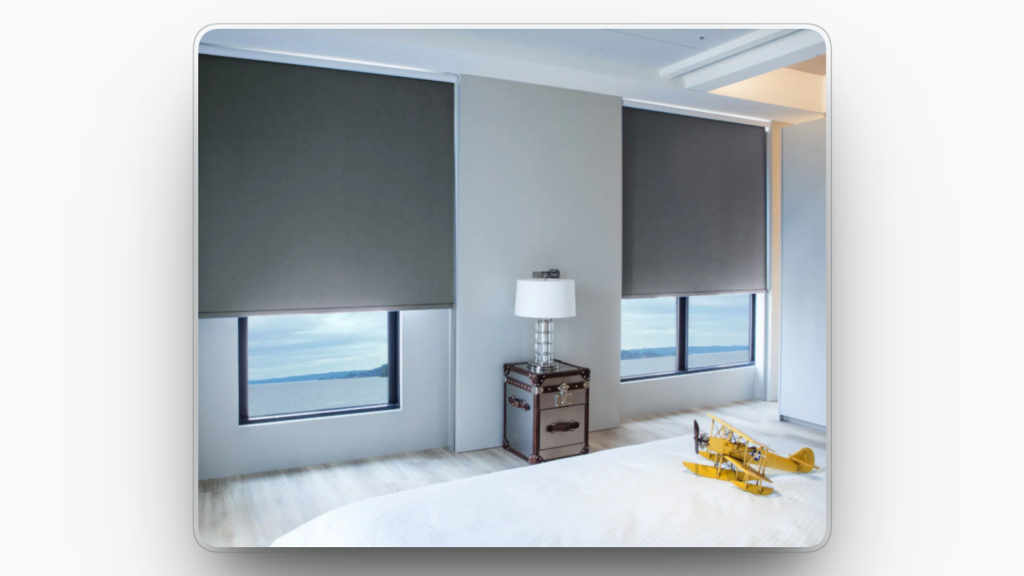
If you want daylight control during the day and privacy at night, layering roller shades with drapes can solve both without forcing one fabric choice.
Roller shades also work well for consistency because they are fast to raise and lower. When paired with the right fabric level, they become a simple daily routine that keeps sun from hammering the same flooring areas.
Best for
- Modern interiors that want a crisp, uncluttered look
- Hardwood floors with long daily exposure near windows
- Rugs showing early fading or uneven color near glass
- Households that want simple, reliable operation
How it protects floors and rugs
- UV oriented fabrics help reduce exposure that fades wood and textiles
- Smooth, even coverage reduces harsh sun bands on the floor
- Easy operation supports use during peak sun, not just evenings
- Darker fabrics can increase protection where rugs get direct sun
- Daytime filtering plus night coverage helps keep the room comfortable and consistent
7. LEVOLOR Custom Solar Shades
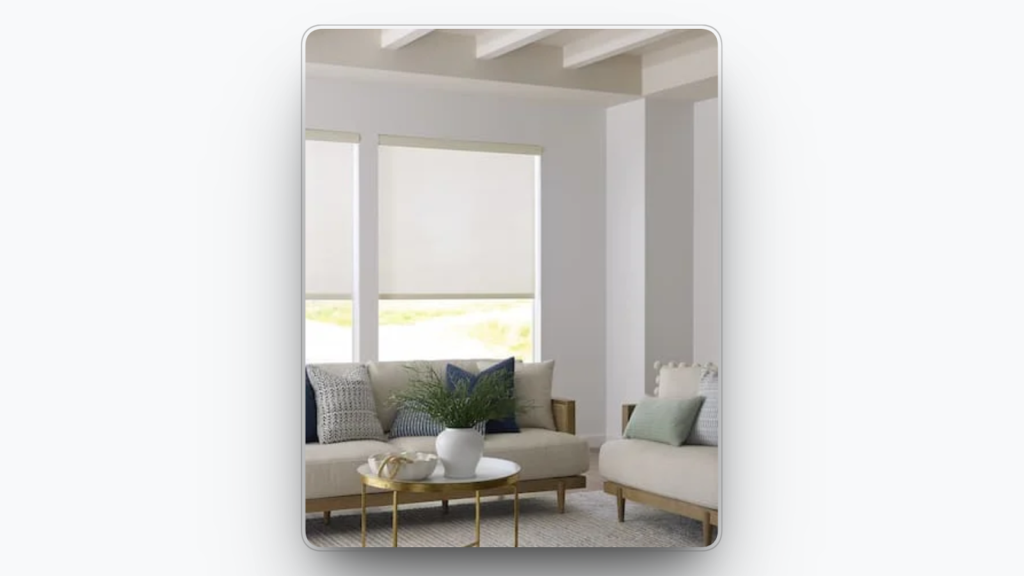
Performance depends on the fabric, not only the shade style. Test fabric samples on the sunniest window in morning light and late-day light so you can see glare, view, and brightness before ordering.
The win here is daylight control without feeling shut in. When the room stays comfortable and usable, the shade stays down longer, which is what helps slow fading on hardwood and rugs.
Best for
- Large windows and sliding doors with rugs near the glass
- Open concept spaces where glare spreads across hardwood
- Rooms where you want brightness but less direct sun
- Homes that want a consistent look across multiple windows
How it protects floors and rugs
- Solar screen fabric reduces UV and glare that cause fading
- Softened light helps prevent harsh hotspots on exposed boards
- Daytime comfort encourages longer coverage during sunny hours
- Better filtering helps rugs keep color longer near big glass areas
- Correct fabric choice reduces repeat fading zones and improves daily usability
How to Choose the Right UV Blocking Shade for Each Window
Start by choosing for the window, not the room. The goal is to reduce the strongest UV and glare that lands on your hardwood and rugs while keeping the space bright enough that you will actually use the shade every day.
Step 1 Spot the highest risk windows
- South and west facing glass usually creates the fastest fading zones
- Look for a daily sun patch that hits the same boards at the same time
- Prioritize windows that shine directly onto rugs, runners, or exposed hardwood
Step 2 Decide what you need to keep
- If daytime view matters most, lean toward screen style solar shades
- If a rug sits in direct sun for hours, lean toward room darkening or blackout fabrics
- If glare makes you avoid opening shades, choose a solution that stays comfortable with daylight
Step 3 Match performance to the problem
- Lower openness typically means stronger UV and glare control with some view
- Mid openness balances light, view, and protection in mixed exposure rooms
- Darkening fabrics help most when a rug is close to the glass and already fading
Step 4 Fix the sun stripe problem
- Choose better edge coverage so light does not leak onto the same floor line daily
- Make sure the shade fits cleanly so bright gaps do not create hot spots
- For severe afternoon sun, consider exterior shades to block light before it hits the glass
Step 5 Make it easy to use daily
- Motorization helps you protect floors consistently during peak sun hours
- Set a simple schedule for late morning and afternoon exposure
- The best shade is the one you will actually keep down when the sun is strongest
Dealbreakers to Know Before You Buy
- UV blocking shades can slow fading, but they cannot stop it completely because visible light and heat can still contribute to color change over time.
- If a rug sits in direct sun for hours each day, a screen fabric alone may not be enough. Room darkening fabrics or exterior shading may be a better fit.
- If you hate operating shades, choose motorization. Consistent daily use matters more than the perfect fabric on paper.
- If you see a strong sun stripe, improve edge coverage and fit. Light gaps can create repeat bands on the same boards.
- If your windows already have coatings or tint, you may still need glare control. Comfort and hotspots are often the reason floors fade unevenly.
FAQs
They can significantly slow fading by reducing UV and harsh light hitting hardwood and rugs. Fading can still happen over time, but usually much more slowly with consistent daily coverage.
Lower openness typically gives stronger UV and glare control while keeping some daylight. Many homes do well with about 1 to 3 percent for high sun windows and a higher openness when the view matters most.
Blackout and room darkening fabrics usually provide the strongest light reduction, which helps most when a rug sits in direct sun for hours. Solar shades are better when you want daytime view and glare control with steady UV filtering.
Exterior shades can be very effective because they block sunlight before it reaches the glass, which reduces intensity and hotspots on floors. They are especially useful for west facing openings and large glass areas.
Yes, if you choose light filtering or solar fabrics you can keep a bright room while reducing glare and UV. The right fabric is the one you can live with daily, because consistency matters most.
Rotate rugs and rearrange furniture so the same area is not exposed all season. Pair shades with UV window film or coatings if needed and cover peak sun hours on the most exposed windows.