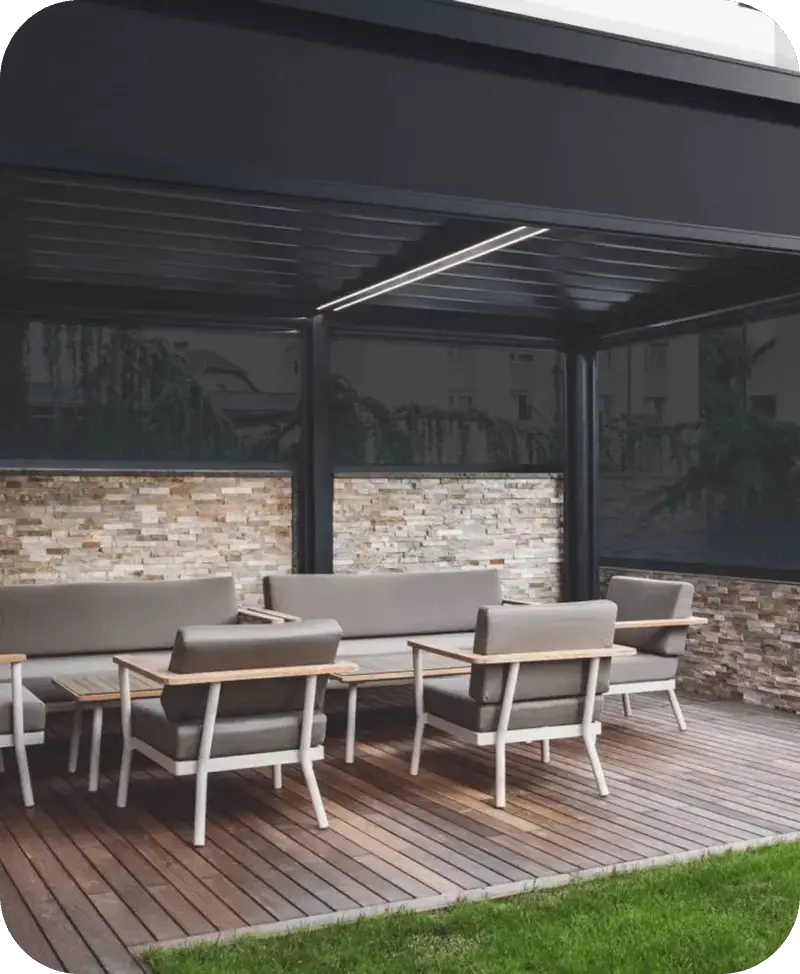
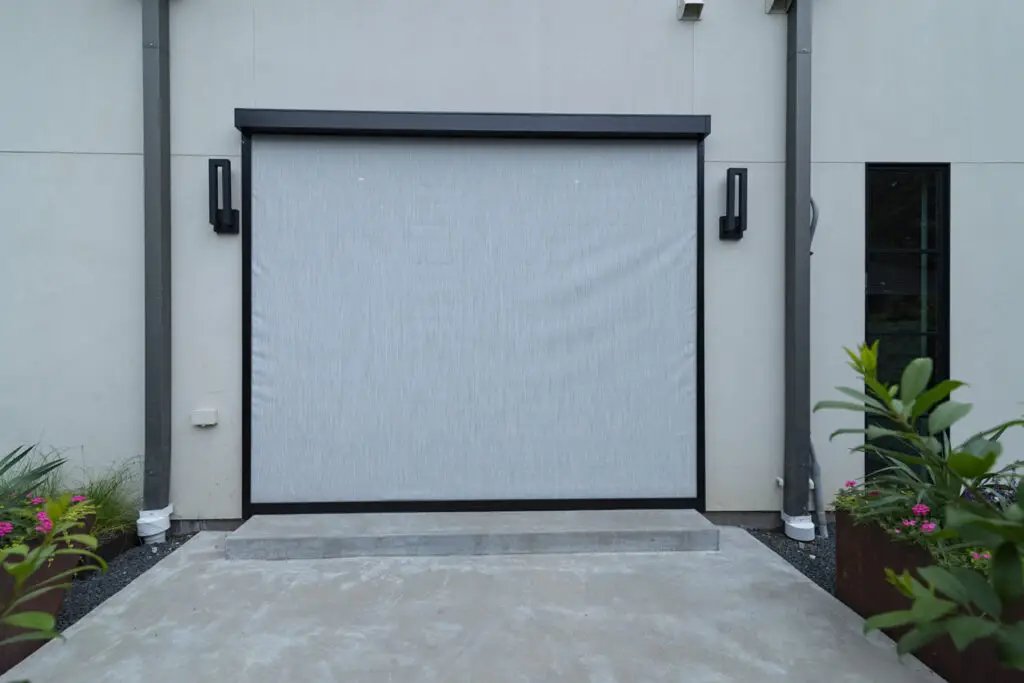
The short version: Custom Shade & Shutter’s interior roller shades and drapery often deliver about 7–15 years of service, while quality interior shutters can last 20 years or more. Exterior patio shades and motorized components work harder in Texas weather. These are planning ranges, not warranties: replace a product when safety, operation, fit, fading, or repair economics no longer make sense.
Window treatments do not expire on a fixed date. One lightly used shutter in a climate-controlled room may last decades; an exterior shade exposed to Texas sun, wind, dust, and daily cycles works much harder. Product quality, installation, window orientation, humidity, children and pets, cleaning, and control type all change the answer.
What is the typical lifespan by window-treatment type?
| Type | Planning range | Common limiting factor |
|---|---|---|
| Motorized, cordless, or chain-operated roller shades | 7–15 years; motors or batteries may need service sooner | Fabric fading, battery aging, clutch or spring wear, and control obsolescence |
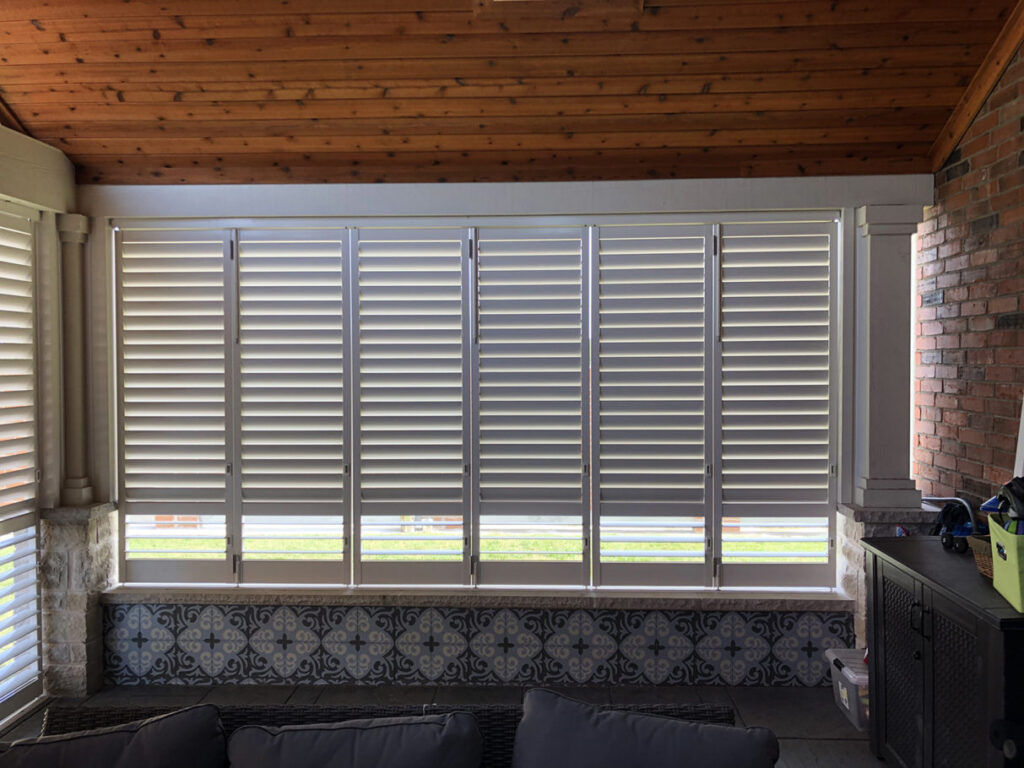
| Hardwood, composition, or aluminum interior shutters | 20+ years | Louver hardware, finish wear, impact, or material mismatch for the room |
| Custom drapery | 7–15 years | UV fading, lining wear, staining, or style change |
| Exterior patio roller shades | 5–12 years | Wind, weather, dirt, fabric tension, and motor exposure |
| Weatherwell Elite exterior aluminum shutters | 15–25+ years | Finish, tracks, hinges, corrosion environment, and impact |
These ranges are practical budgeting guides, not guarantees. Manufacturer warranties may be shorter or longer and usually cover defects, not normal wear, sun fading, misuse, or labor. Custom Shade & Shutter currently lists five-year coverage for its interior shade fabric and operating systems, and 15-year structural and finish warranties on Weatherwell Elite exterior aluminum shutters.
What makes a window treatment wear out early?
- Direct UV exposure. West-facing windows can fade fabric, weaken fibers, and change wood finishes.
- Wrong material for moisture. Natural wood and some fabrics perform poorly in persistently humid rooms.
- Poor fit. Fabric rubbing trim, undersized hardware, or misaligned brackets creates repeated stress.
- Wind and weather. Exterior products need to be operated within their wind rating and raised when conditions require it.
- Overloaded controls. Pulling at an angle, forcing a jam, or running a shade against an obstruction damages mechanisms.
- Deferred cleaning. Dust and grit can work into fabric edges, tracks, hinges, and moving parts.
When should you repair instead of replace?
Repair makes sense when the fabric or panels still look good, replacement parts are available, the product still fits the room, and the problem is isolated: a bracket, remote, battery, clutch, tilt part, or programming issue. Professional products often have replaceable components and dealer support.
Ask for a repair quote and compare it with a current replacement that may offer safer controls, better light management, updated fabric, or a supported motor platform.
What are the clearest signs it is time to replace?
- Safety: accessible cord loops, broken tension devices, or unstable hardware.
- Operation: repeated jams, slipping, uneven rolling, loud motors, or louvers that will not stay set.
- Condition: deep fading, delamination, cracks, warped panels, stains, or frayed edges.
- Fit: renovations, replacement windows, or movement have left gaps or interference.
- Support: the motor, remote, or parts are obsolete and no longer serviceable.
- Economics: repair approaches the cost of a better, warrantied replacement.
Do old corded treatments need special attention?
Yes. The Window Covering Safety Council recommends cordless window treatments in homes with infants and young children and urges owners to retrofit or replace older corded products that create accessible loops or inner-cord hazards. Safety can make replacement necessary even when the fabric still looks acceptable.
Replace based on safety and performance first, appearance second, and age last.
How can you extend the life of new treatments?
- Vacuum fabric gently with a soft brush attachment and follow the manufacturer’s cleaning method.
- Operate shades from the center or with the intended control; never pull the hem sideways.
- Keep furniture and décor out of the travel path.
- Raise exterior shades in winds above the product limit.
- Replace motor batteries before leakage or deep discharge.
- Schedule service when operation changes instead of forcing the product.
What should you replace first in a whole home?
Start with unsafe corded treatments, failed bedrooms, hard-to-operate tall windows, and the most sun-damaged street-facing rooms. Then build a phased plan that keeps fabrics, cassettes, and controls consistent as each zone is updated.
Compare current interior roller-shade specifications and warranties, interior shutter materials, custom drapery, exterior patio shades, and Weatherwell Elite aluminum shutters. Or request an in-home assessment for a product that no longer works the way it should.
Sources
- Custom Shade & Shutter, interior roller-shade specifications and five-year warranty details.
- Custom Shade & Shutter, interior shutter materials and warranty details.
- Custom Shade & Shutter, exterior patio-shade specifications.
- Custom Shade & Shutter, Weatherwell Elite shutter specifications and 15-year warranty details.
- Window Covering Safety Council, cord safety and replacement guidance.