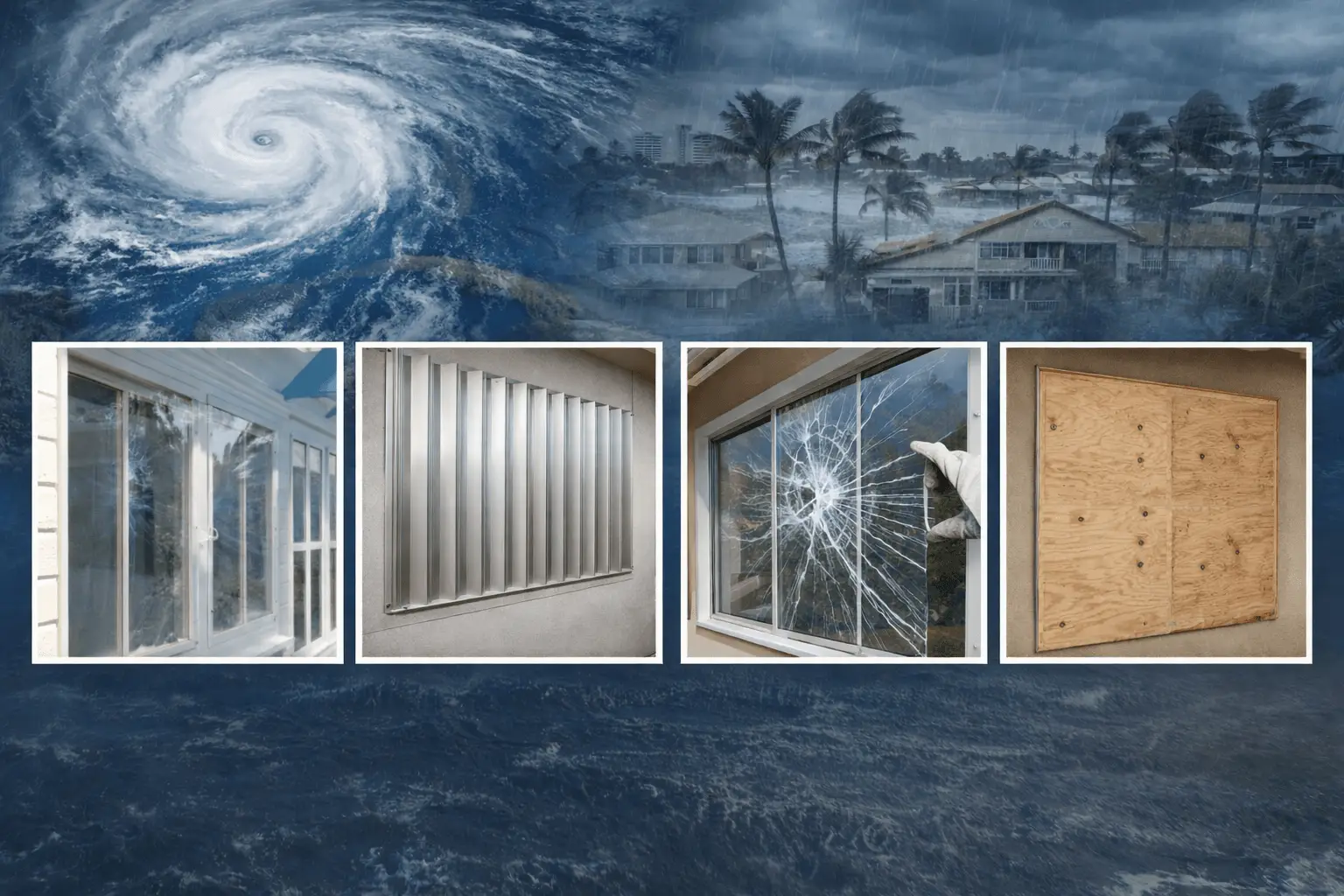
Hurricane window protection refers to the products and prep steps that help your glass and window frames better resist wind pressure, flying debris, and wind-driven rain during a hurricane. Window failures often start with windborne debris. A broken window or door can also increase pressure inside the home and make broader damage more likely, so protecting openings matters.
When a hurricane watch goes up, most homeowners worry about windows breaking from debris, water forcing its way inside around the frame, and scrambling to secure the house in time. People also stress about what actually works for their home, what aligns with local building expectations, how to balance cost and appearance, and whether a short term fix is worth it compared to a longer term upgrade.
This guide covers seven practical ways to protect your windows, including fast options and longer-term upgrades, plus how to choose what fits your home, timeline and budget without making unrealistic guarantees.
Your Quick Risk Checklist
- Check for older windows, loose frames, rot, or active leaks at the sill.
- Flag large openings like sliders and picture windows that take higher wind load.
- Confirm whether your area expects code-rated opening protection.
- Remove nearby debris risks like loose patio items and weak branches.
- Confirm you can deploy your protection quickly and safely before winds increase.
- Confirm panels or plywood are pre-cut, labeled, and stored with the right anchors and tools.
7 Best Ways to Protect Your Windows in a Hurricane
Many code-rated systems are tested for debris impact and then pressure cycling. Two common standards referenced for this type of testing are ASTM E1996 and ASTM E1886.
- Install code-approved hurricane shutters
- Use tested storm panels
- Upgrade to impact resistant windows
- Board up with properly mounted exterior grade plywood
- Reinforce window frames and fastening points
- Reduce water intrusion around window openings
- Cut debris and pressure risks around the home
1. Install code-approved hurricane shutters
Hurricane shutters protect the glass by taking the impact first and distributing wind loads across a stronger barrier than the window alone. Focus on shutters rated for your location and opening size, and verify they meet local requirements for windborne debris regions and design pressure.
Choose a style you will actually deploy under stress. Roll-down and accordion shutters are popular for speed, while Bahama and colonial styles can add everyday shade and curb appeal while still serving a storm role when properly rated and installed to the manufacturer’s fastening schedule.
2. Use tested storm panels
Storm panels are a strong value option when you want serious protection without permanent shutters on every opening. Aluminum panels are durable and common, while clear polycarbonate can protect the opening and still let daylight in, which can matter during long outages.
Panels only perform when the install is predictable. Precut and label each panel, keep anchors or tracks permanently mounted, and do a practice run before hurricane season so you can install quickly and safely without guessing when the warning is issued.
3. Upgrade to impact resistant windows
Impact resistant windows use laminated glass and reinforced frames so the glass is less likely to be breached by windborne debris. This is a smart long term choice when you want protection that is always in place and you prefer not to store panels or rush a last minute install.
Treat this as a system upgrade, not just a glass swap. Match the product to your wind zone and opening size, confirm the labeling and ratings required in your area, and prioritize professional installation because performance depends heavily on anchoring and frame attachment, especially on large picture windows and sliders.
4. Board up with properly mounted exterior grade plywood
Plywood can work as a temporary measure when it is cut correctly and fastened into structural framing rather than trim. One common failure point is weak attachment into exterior casing that can pull free under load.
FEMA lists permanent storm shutters as the best protection and notes boarding windows with 5/8-inch plywood cut to fit and ready to install as an option. FEMA also states that tape does not prevent windows from breaking.
Make plywood boarding safer and faster:
- Premeasure and precut each opening.
- Predrill panels and label them by location.
- Store fasteners, anchors, and tools together.
- Fasten into studs or appropriate masonry anchors, not decorative trim.
- After you board or shutter openings, confirm everyone knows the safest exit path because egress can be harder in an emergency.
5. Reinforce window frames and fastening points
Any protection is only as strong as what it is attached to. Inspect frames for rot, loose hardware, shifting, and cracked seal lines because weak frames can allow panels to loosen, shutters to rack, or water to push in even when the glass is covered.
Strengthen the connection points before the season starts. Replace worn latches, tighten hinges, repair deteriorated wood, and ensure anchors bite into solid framing or the correct masonry fasteners, then follow the manufacturer’s pattern for spacing and torque so the system can resist the pressures it was designed for.
6. Reduce water intrusion around window openings
Even without broken glass, wind-driven rain can force its way through small gaps and cause expensive interior damage. Focus on the frame to wall joint, sill condition, and weatherstripping so water sheds outward instead of being driven into the opening.
Keep drainage working as designed. Clear weep holes, fix failed exterior sealant, and confirm the sill and tracks are not clogged so water can escape, then plan post storm drying and ventilation to reduce lingering moisture problems in humid coastal climates.
7. Cut debris and pressure risks around the home
Many window failures begin with debris that could have been avoided. Bring in patio furniture, grills, planters, and decorations, and trim weak branches before the season so fewer objects can become high speed projectiles that strike glass.
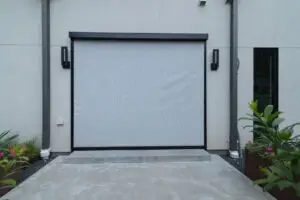
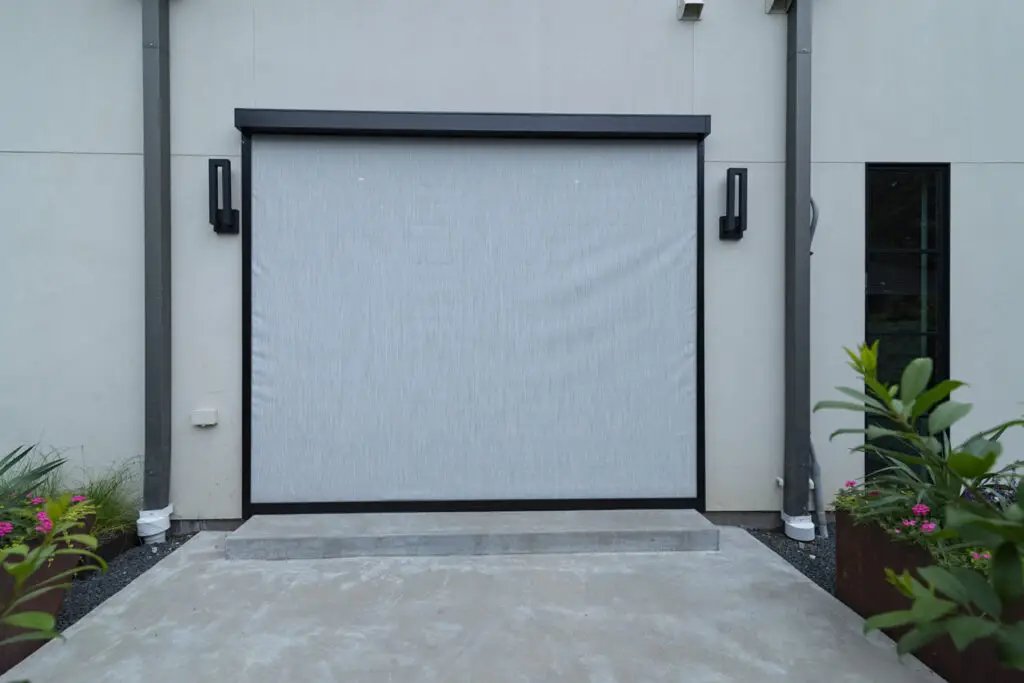
Also protect the rest of the building envelope because it affects window stress. Secure loose exterior items, address weak points like garage doors and large openings, and follow local guidance for bracing and approvals since a breached opening can increase wind and water entry and raise the risk across the home.
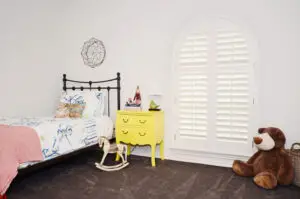
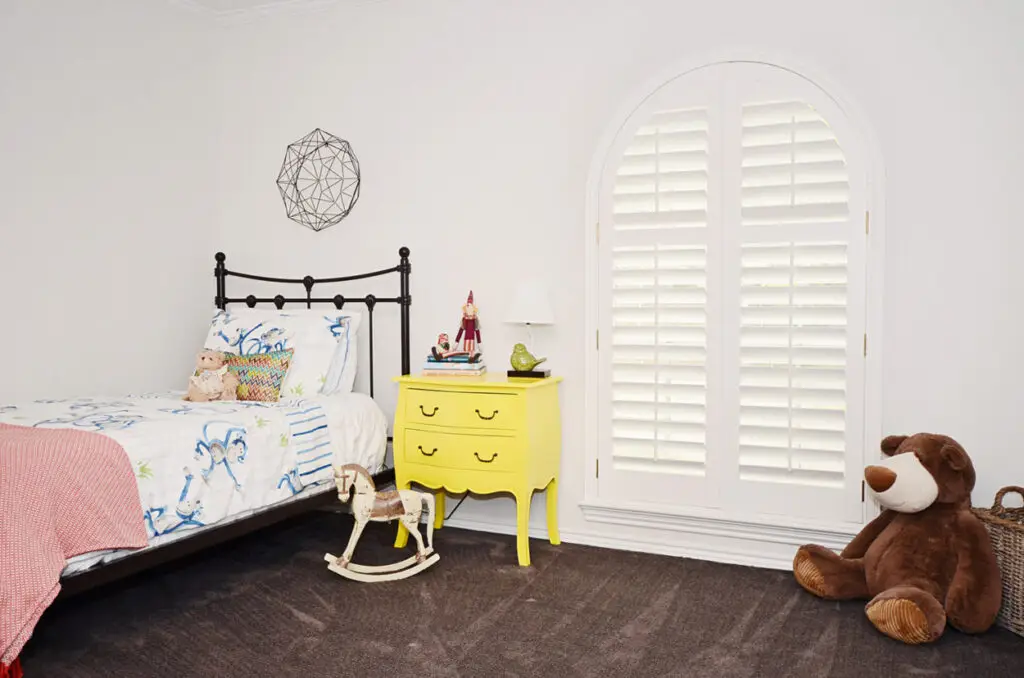
A quick note on shutters: not every shutter is hurricane protection. Decorative exterior shutters and interior plantation shutters can improve light control, privacy, and security, but hurricane protection requires a product with documented wind and impact performance and the correct fasteners for your wall type.
What to Do First Before Choosing Hurricane Window Protection
- Check local wind and building requirements for your address.
- List every exterior glass opening and measure each one.
- Prioritize large openings that take more wind load.
- Inspect each frame for rot, looseness, and existing leaks.
- Decide how much time and help you realistically have for deployment.
- Choose a solution you can install correctly every season.
Myths and Mistakes That Can Make Window Damage Worse
Myths
- Taping windows protects the glass: FEMA notes that tape does not prevent windows from breaking.
- Opening windows relieves pressure and prevents damage: Opening windows can allow wind and rain inside and can increase interior damage risk.
- Window film is the same as hurricane protection: Film may help hold cracked glass together, but it is not a substitute for rated shutters, panels, or impact systems in debris-risk areas.
- Anything labeled “hurricane tested” is enough: Look for documented ratings tied to recognized standards such as ASTM E1886 and ASTM E1996.
- During the storm, stay away from windows and glass doors and shelter in an interior room if you are not evacuating.
Mistakes
- Waiting until warnings to prep hardware and fit: Install tracks, anchors, and labeling ahead of time so deployment is faster.
- Using strong materials with weak attachment points: Systems fail when fasteners do not anchor into solid framing or correct masonry anchors.
- Skipping large openings like sliders and picture windows: Big openings need a realistic plan and correct ratings.
- Skipping a dry run before hurricane season: Practice reveals missing parts, labeling issues, and time constraints before outdoor work becomes unsafe.
FAQs
The most reliable options are rated hurricane shutters or tested storm panels installed with the correct anchors for your opening and wind zone.
No. FEMA states that tape does not prevent windows from breaking, so it is better to focus on shutters, panels, or properly installed plywood.
It depends on your location, opening size, and local requirements. Impact-resistant windows can reduce breach risk, but some homes still add shutters or panels for additional protection and flexibility.
FEMA notes boarding windows with 5/8-inch plywood cut to fit and ready to install as an option when shutters are not available.
Install protection as early as it is safe to work outside. Precut panels, staged hardware, and a practice run can reduce last-minute delays.
Look for documentation tied to recognized testing and performance standards commonly used for hurricane impact and pressure cycling, such as ASTM E1886 and ASTM E1996.
Prioritize them first. Large openings take higher wind load and often need properly rated shutters, panels, or impact systems with correct anchoring.
Clear drainage paths, keep weep holes open, maintain weatherstripping, and repair failed exterior sealant where appropriate. Then dry and ventilate after the storm to reduce moisture problems.