7 Energy-Saving Window Shades Every Homeowner Should Consider

7 Energy-Saving Window Shades Every Homeowner Should Consider

The fastest way to cut heat gain and lower bills is to block sun before it hits glass (exterior screens/awnings) and seal light leaks indoors (blackout/thermal shades); cellular-style shades can cut winter heat loss by 40%+ and summer heat gain by up to 60% when used correctly.

If your living room heats up every afternoon, your bedroom won’t get truly dark, or your AC runs all day, the windows are likely to blame. Sun adds a big share of heating and cooling load. Studies from the U.S. Department of Energy show shades, screens, and awnings improve comfort and cut costs.

This guide for Custom Shade & Shutter explains seven energy-saving shade options, where each works best, and quick pro install tips you can use today. We turn common homeowner problems into clear picks. The goal: less glare, steadier room temps, and lower bills.

Pro Installation Tips for Energy-Saving Window Shades

  • Measure windows at three points for a precise fit.
  • Mount shades wider than the window frame to reduce light leakage.
  • Use automation for optimal energy control throughout the day.
  • Install side channels to seal gaps and improve insulation.
  • Ensure proper mounting depth for a clean fit.
  • Pair with drapery or valances to boost insulation.
  • Regularly clean shades for smooth operation.

7 Energy-Saving Window Shades (Rapid Rundown)

Energy-saving window shades are an excellent investment for improving home comfort and reducing energy costs. These shades help control light, heat, and privacy while enhancing the overall efficiency of your living spaces.

  • Motorized Roller Shades: Automatically adjust to optimize light and temperature control, reducing energy consumption with ease.
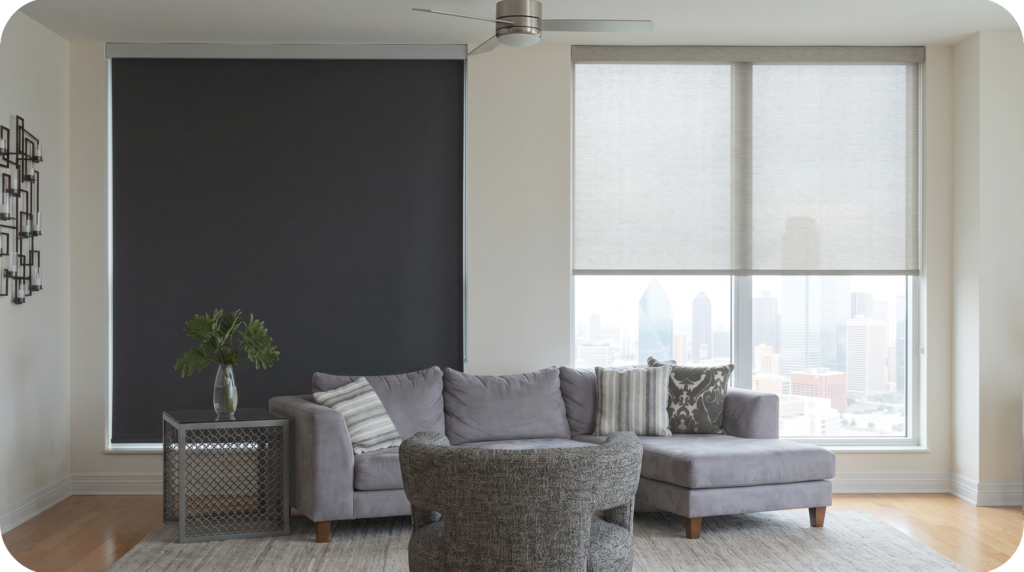
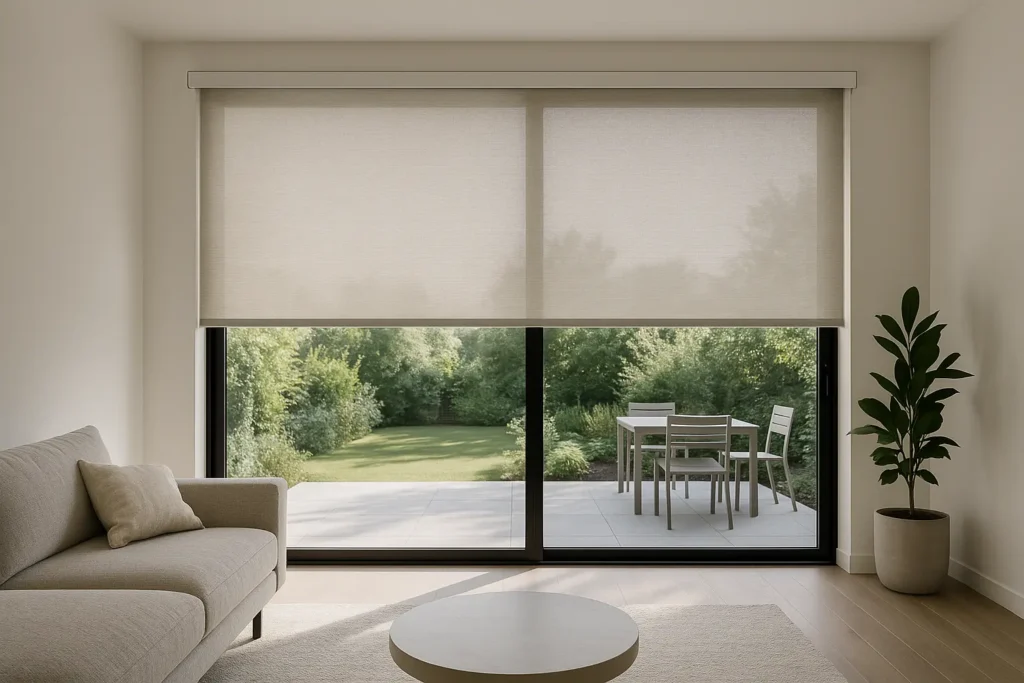
  • Solar Roller Shades: Effectively block UV rays while preserving natural light, reducing glare and maintaining privacy.
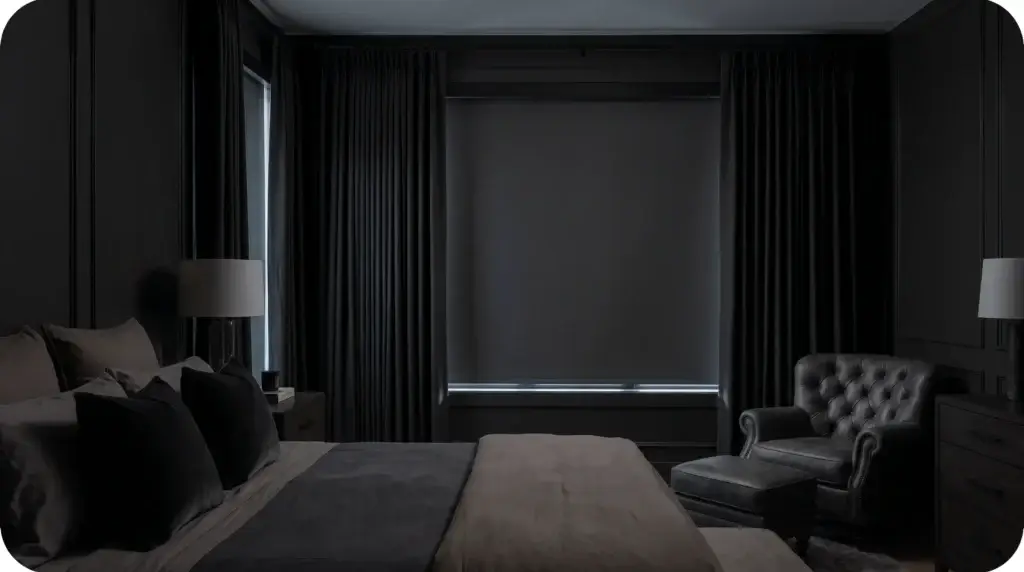
  • Blackout Roller Shades: Completely block out light and help maintain consistent room temperatures, perfect for bedrooms and media rooms.
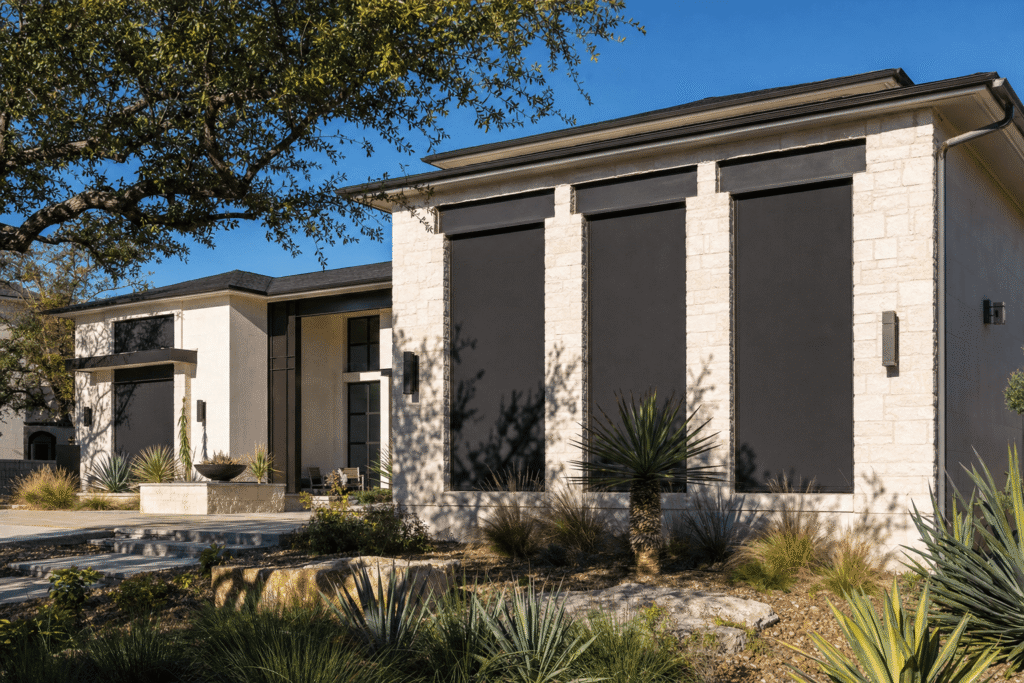
  • Exterior Solar Screens: Prevent solar heat from entering the home, reducing cooling costs and protecting interiors from UV damage.
  • Roman Shades with Thermal Lining: Stylish shades that offer insulation, keeping rooms cooler in summer and warmer in winter.
  • Dual Shades: Offer flexible light control and privacy with alternating sheer and opaque bands for energy savings.
  • Retractable Awnings: Provide shade to reduce solar heat gain and lower cooling costs, enhancing outdoor comfort.
Shade Type Energy Efficiency Best For Key Features
Motorized Roller Shades High Large windows, hard-to-reach areas Easy adjustment, automated light control, heat reduction
Solar Roller Shades Moderate Living rooms, home offices, sun-exposed rooms Glare reduction, UV protection, daylight preservation
Blackout Roller Shades High Bedrooms, media rooms Total light block, heat gain reduction, privacy
Exterior Solar Screens Very High Patios, sun-facing windows, large glass Blocks heat before it reaches glass, UV protection
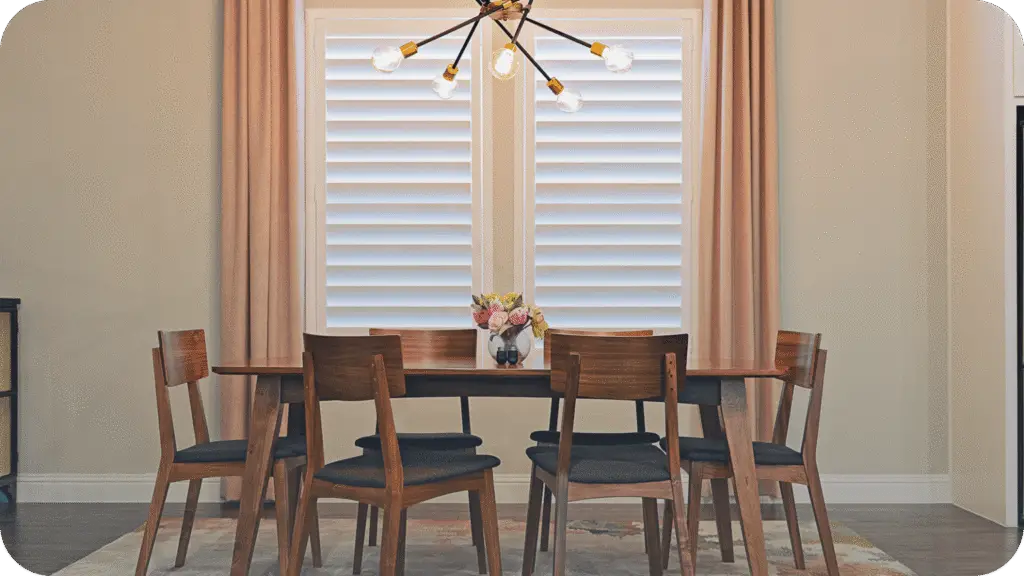
Roman Shades with Thermal Lining High Living rooms, bedrooms, dining areas Insulation, stylish design, comfort year-round
Dual Shades (Zebra Shades) Moderate Multi-purpose rooms Adjustable light/privacy, energy savings, modern design
Retractable Awnings High Patios, doors, large windows Sun blocking, flexible, outdoor comfort

#1 – Motorized Roller Shades

Motorized roller shades offer the convenience of automated light and heat control, enhancing energy efficiency in modern homes. By scheduling these shades to open and close at specific times, homeowners can optimize natural heating and cooling, reducing reliance on HVAC systems.

These shades are made from high-quality materials that provide a sleek, modern look while also offering practical benefits like UV protection and glare reduction.

Best Rooms & Orientations

  • Rooms: Living rooms, home offices, bedrooms, large glass spaces
  • Windows: All orientations, especially large or hard-to-reach windows

Energy Savings

  • Automate the shades to close during peak sun hours to reduce cooling costs.
  • Open shades in winter to use sunlight for natural heating.
  • Maintain comfortable temperature and lower energy use..

Pro Installation Tips

  • Ensure proper measurements for optimal fit
  • Mount shades are slightly wider for full coverage and better heat control.
  • Combine with other treatments for extra insulation.
  • Use automated schedules to reduce HVAC use.

#2 – Solar Roller Shades

Solar roller shades are designed to reduce solar heat gain while maintaining natural light and outdoor views. These shades are particularly effective in sun-exposed rooms, providing glare reduction and UV protection.

Their energy-saving properties help maintain a comfortable temperature inside, especially in rooms that face the sun for extended periods of time.

Best Rooms & Orientations

  • Rooms: Living rooms, kitchens, home offices
  • Windows: South and west-facing windows with direct sun exposure

Energy Savings

  • Blocks solar heat while preserving natural light, reducing the need for air conditioning.
  • Prevents UV rays from entering the room, protecting furniture and floors.
  • Reduces glare, keeping the space comfortable without turning on air conditioning.

Pro Installation Tips

  • Choose fabrics with lower openness (1–3%) for maximum heat reduction.
  • Mount the shades slightly wider than the window frame to avoid edge glow.
  • Consider using outside mounts to improve heat control and visual appeal.
  • Schedule shades to lower before the peak sun hours to maximize cooling efficiency.

#3 – Blackout Roller Shades

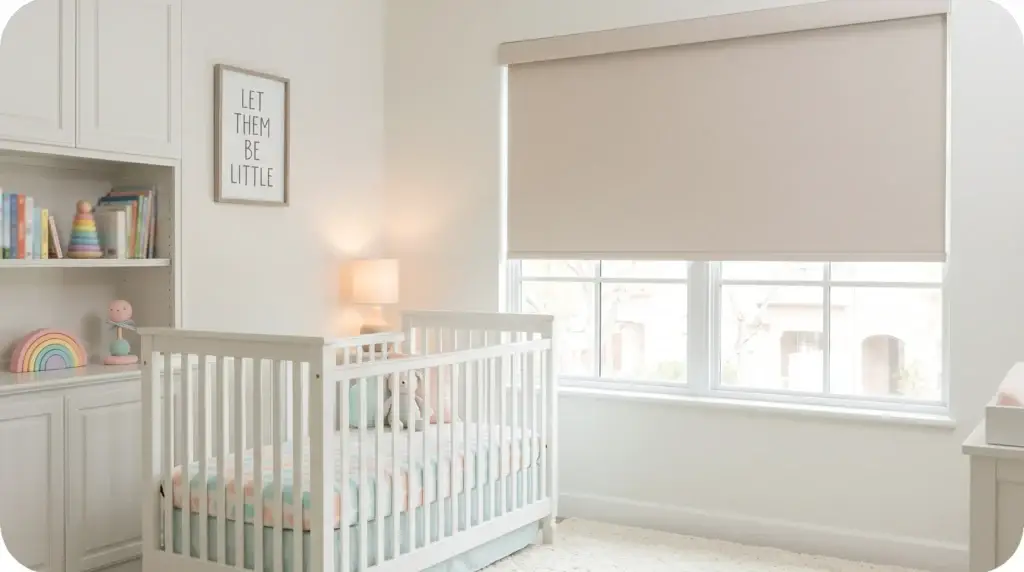
Blackout roller shades are designed to block out all incoming light, making them ideal for bedrooms, nurseries, or media rooms. These shades also help in reducing heat gain during the summer by providing a barrier between the room and the glass.

With their energy-efficient properties, blackout shades can keep rooms cooler in the hot months and warmer in the winter, enhancing comfort while saving on heating and cooling costs.

Best Rooms & Orientations

  • Rooms: Bedrooms, nurseries, media rooms
  • Windows: East and west-facing windows for morning and late-day light control

Energy Savings

  • Prevents heat from entering the room, keeping your space cooler in summer.
  • Blocks sunlight to reduce the need for artificial lighting during the day.
  • Stabilizes room temperatures, reducing strain on heating and cooling systems.

Pro Installation Tips

  • Install side channels or light-blocking strips to minimize light leakage.
  • Consider reverse roll installation for tighter fitting in narrow windows.
  • Ensure proper sealing around the edges to prevent heat loss and light leaks.
  • Mount the shades slightly wider than the window for better coverage and maximum blackout.

#4 – Exterior Solar Screens

Exterior solar screens are mounted on the outside of windows to block heat before it enters the home. These screens are particularly effective on south- and west-facing windows, where sun exposure is the highest.

By preventing solar heat gain, exterior solar screens can help reduce cooling costs and improve indoor comfort.

Best Rooms & Orientations

  • Rooms: Patios, sunrooms, large glass windows
  • Windows: South and west-facing windows or areas with high sun exposure

Energy Savings

  • Blocks heat before it reaches the glass, significantly reducing cooling costs.
  • Protects indoor furniture and fabrics from UV damage, preserving their lifespan.
  • Helps maintain a cooler indoor temperature, even in direct sunlight, reducing the need for AC.

Pro Installation Tips

  • Make sure the screens cover the entire window area for maximum efficiency.
  • Use wind-rated hardware for added stability in windy areas.
  • Automate the deployment and retraction of screens based on sunlight exposure.
  • Consider using a darker mesh for better heat control and UV protection.

#5 – Roman Shades with Thermal Lining

Roman shades with thermal lining combine style and energy efficiency by providing added insulation to rooms. The thermal lining helps to retain heat in winter and block heat in summer, making these shades an excellent choice for year-round comfort.

These shades come in a variety of fabrics and colors, providing a stylish solution that enhances any room while improving energy efficiency.

Best Rooms & Orientations

  • Rooms: Living rooms, bedrooms, dining rooms
  • Windows: North and east-facing windows for insulation and sun control

Energy Savings

  • Keeps rooms comfortable year-round by managing heat.
  • Reduces heat transfer for better energy efficiency.
  • Provides extra insulation without the bulk of heavy curtains.

Pro Installation Tips

  • Install a cornice or valance to cover the headrail and block light leaks at the top.
  • Use top-down/bottom-up shades for privacy and light control.
  • Use stationary side panels to add an extra layer of insulation around the window.
  • Choose the right fabric for your needs thermal linings work best in bedrooms and living areas.

#6 – Dual Shades

Dual shades, also known as zebra shades, feature alternating sheer and solid fabric bands that allow for precise control of light and privacy. These shades offer flexibility and energy savings for multi-purpose rooms.

The double layer of fabric that constitutes a zebra shade helps to provide some insulation against heat and cold. You’ll notice this insulating effect most in the winter.

Best Rooms & Orientations

  • Rooms: Living rooms, dining rooms, multipurpose spaces
  • Windows: Any orientation where flexible light control matters

Energy Savings

  • Helps regulate temperature by controlling the amount of light entering a room.
  • Provides moderate insulation against both heat loss and heat gain, lowering energy bills.
  • Reduces the need for air conditioning by offering heat control while still letting natural light in.

Pro Installation Tips

  • Mount the shades slightly outside the window frame to block light from the sides.
  • Use the sheer bands during the day to allow daylight in while keeping the room cooler.
  • Position the solid bands at night for added privacy and thermal control.
  • Ensure even installation for clean, symmetrical operation of fabric bands.

#7 – Retractable Awnings

Retractable awnings provide shade and reduce solar heat gain without compromising daylight. They are perfect for patios, doors, or large windows, especially on sunny south or west-facing sides.

By shading the exterior first, indoor temperatures drop and glare eases without sacrificing daylight. 

Best Rooms & Orientations

  • Rooms: Living areas opening to patios, kitchens near decks, family rooms
  • Windows: South and west exposures, especially over doors and large sliders

Energy Savings

  • Blocks solar rays from hitting the window directly, reducing heat gain and cooling costs.
  • Keeps outdoor areas shaded, reducing the need for air conditioning indoors.
  • Protects the interior from UV rays, reducing fading and heat buildup inside the home.

Pro Installation Tips

  • Match awning depth to window height and sun angle.
  • Ensure the wall can support the awning’s weight.
  • Use weather-resistant hardware for durability.
  • Consider adding wind sensors to automatically retract the awning in high winds.
  • Customize fabric and frame colors to complement the home’s exterior for curb appeal.

What Homeowners Ask Before Ordering

  • Measure window width and height at three points for an accurate fit.
  • Check window depth to ensure the shades fit without interfering with handles or locks.
  • Choose the right mounting style for your windows, whether inside or outside the frame.
  • Consider your window orientation to select shades that will optimize energy efficiency.
  • Check for proper motorization or automation options if needed for convenience.
  • Review the material and fabric options to ensure durability and functionality.

FAQs

How do energy-saving window shades help reduce energy bills?

Energy-saving shades block or control heat transfer, whether by blocking sunlight, insulating windows, or reducing glare, which helps in maintaining a comfortable indoor temperature and reduces the load on heating or cooling systems.

Can I automate my window shades for better energy efficiency?

Yes, many energy-saving shades, especially motorized options, can be automated to adjust based on the time of day or sunlight exposure, optimizing energy use and comfort.

What is the best shade for reducing heat in the summer?

Solar roller shades and exterior solar screens are excellent at reducing heat gain from direct sunlight while still allowing natural light to filter through.

Can blackout shades be used to reduce heat in the winter?

Yes, blackout shades are perfect for keeping rooms warmer in the winter by blocking drafts and retaining heat from your home’s HVAC system.

Are Roman shades with thermal linings effective for insulation?

Yes, thermal-lined Roman shades provide added insulation, helping to retain heat in the winter and block heat from the sun in the summer, improving energy efficiency in both cold and hot seasons.

How long do retractable awnings last, and are they worth the investment for energy savings?

Retractable awnings are highly durable, designed to withstand various weather conditions, and can significantly lower energy costs by blocking solar heat before it enters your home, making them a valuable investment for both comfort and energy savings.